Song Meaning
The lyrics paint a picture of two people grappling with a powerful, almost fated connection. Despite a past that should breed caution, their present reality is one of overwhelming affection, where closeness makes the world sing and touch brings forth ethereal imagery. This immediate sensory experience clashes with a potential, unspoken history, suggesting a struggle between learned wariness and undeniable attraction.
The central tension arises from the contrast between past experience and present feeling. The opening French lines, "Avec notre passé pour guide / On se devrait d'être lucide" (With our past as a guide / We should be lucid), directly state the expectation of caution. However, this is immediately undercut by the assertion that "notre méfiance est à bout" (our mistrust is exhausted) and that "L'amour est bien plus fort que nous" (love is much stronger than us). This sets up a core conflict: the wisdom of experience versus the undeniable force of current emotion.
The most striking element is the recurring refrain, "love is stronger far than we." This phrase elevates love to an active, almost sentient force that dictates outcomes, superseding individual will or past lessons. It suggests that their personal histories and even their own desires are secondary to this greater power. The imagery of the "moonlight is winging" when they touch further enhances this sense of enchantment, implying that their connection transcends ordinary reality.
This lyrical construction is effective because it taps into the feeling of being swept away by something larger than oneself. The repetition of the central theme reinforces the inevitability of their bond, making the listener feel the weight of this powerful, fated love. It's a compelling argument for surrender, suggesting that resisting such a force is not only futile but perhaps even misguided, as it's presented as a matter of destiny and inherent design.
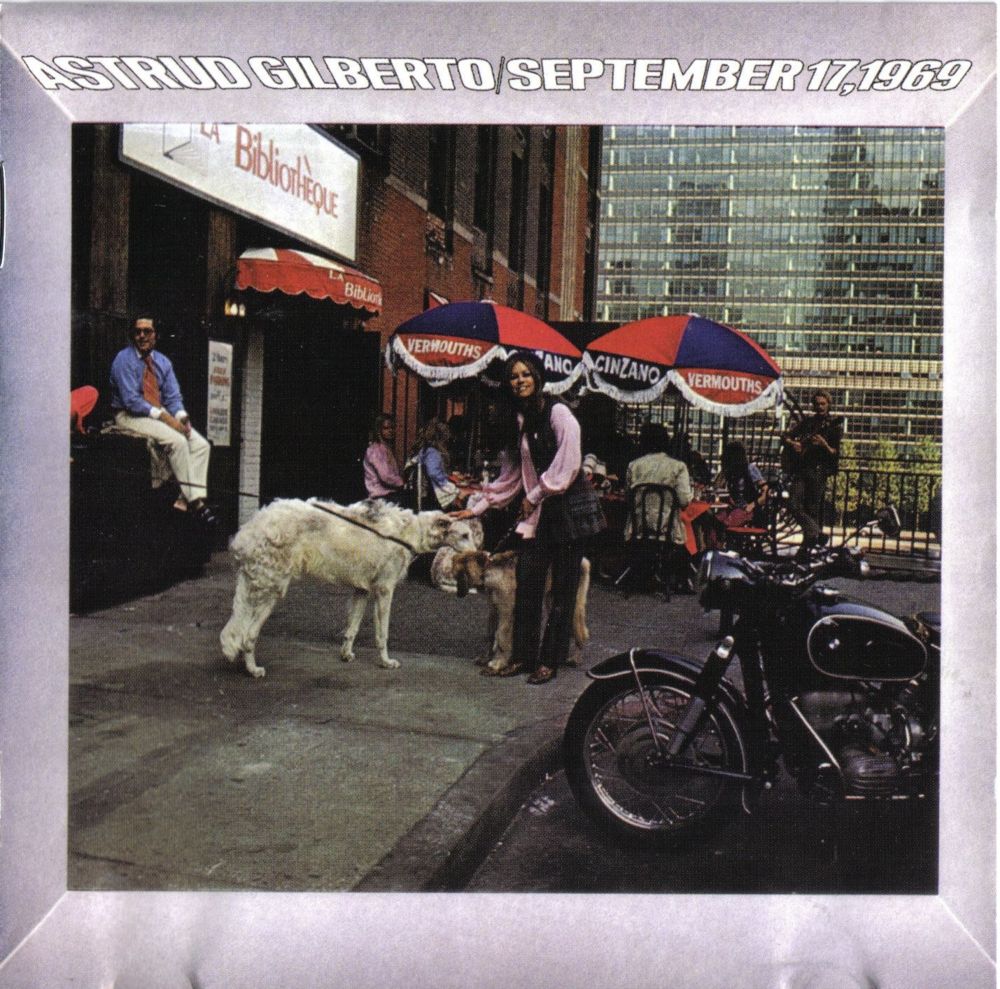
 View Artist