Song Meaning
The narrator craves an extreme form of retreat, a complete severance from the overwhelming external world. They express a profound weariness with the vastness of both day and night, finding the sun too harsh and the darkness too encompassing. This isn't just a desire for quiet; it's a plea to "send back the world," suggesting an unbearable intensity to everyday existence that necessitates a radical withdrawal.
The core tension lies between the suffocating immensity of the outside and the desperate need for a contained, manageable personal space. The lyrics paint a picture of a world with "too much night" and "too much view," creating a sense of being exposed and adrift. This vastness is contrasted with the desire for "four cabin walls" and "one room," highlighting a yearning for intimacy and security that the expansive world fails to provide. The space between the "waiting heart, and whispered word" is immense, implying a profound disconnect and unfulfilled longing.
The most striking image is the recurring phrase "A million miles away behind the door." This hyperbole powerfully conveys the narrator's desire for absolute separation, a place so removed it feels impossibly distant, yet paradoxically accessible through a simple act of closing a door. The idea of "gathering moss forevermore" further emphasizes this desire for stillness and a life lived outside the conventional flow of time and activity. The rejection of "fears, no fools, no lies, no rules" points to a yearning for a pure, unadulterated existence, free from the complexities and corruptions of the external world.
This lyrical construction is effective because it taps into a universal feeling of being overwhelmed by the modern world's demands and stimuli. The narrator's extreme desire for isolation, while perhaps not literally achievable, resonates as an honest expression of burnout and the deep-seated need for a sanctuary. The contrast between the boundless, indifferent external landscape and the intensely desired, small, and safe interior space creates a potent emotional landscape that feels both deeply personal and broadly understood.
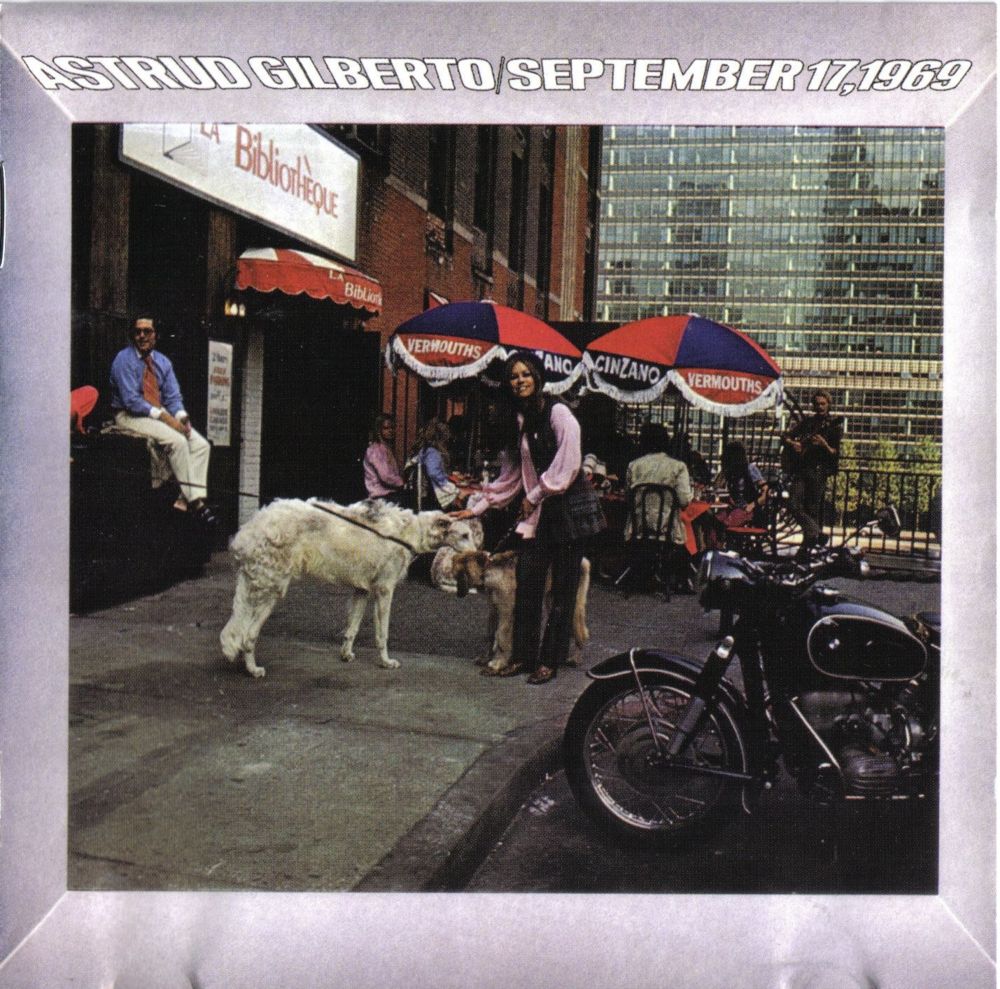
 View Artist