Song Meaning
The lyrics paint a surreal, dreamlike landscape that quickly dissolves into a stark reality. Initially, there's a sense of shared creation, a "brush" and "two of us" painting a picture meant to last, alongside a "castle and a river flowing without water." This sets up an image of something substantial yet inherently flawed or incomplete. The phrase "I only passed by to see" acts as a recurring motif, suggesting a detached observation or a fleeting visit to this constructed, paradoxical world.
The central tension emerges as the idealized imagery is systematically dismantled. The "castle on the hill" becomes a place where "many words fell, that no one has yet said," hinting at unspoken truths or potential that never materialized. The "flowers whistled a flattering song to nature," a seemingly harmonious image that is then undercut by the assertion that "Today it is a very familiar song." This suggests a loss of wonder, a reduction of the extraordinary to the mundane.
The most striking craft element is the direct negation of the established imagery. The narrator insists, "No, there is no castle, don't look at it, it doesn't exist," and "There is no river without water." This abrupt demolition of the earlier scene creates a jarring effect, emphasizing the ephemeral nature of the imagined or remembered space. The declaration "The lady is already dead" adds a layer of finality and loss to this dissolution, stripping away any remaining romanticism.
Ultimately, these lyrics resonate because they capture the feeling of encountering a memory or an idea that, upon closer inspection, has lost its substance. The contrast between the initial, almost magical depiction and the subsequent, stark denial creates a powerful emotional arc. The repeated refrain "I only passed by to see" underscores a sense of disillusionment, as if the act of looking itself reveals the emptiness behind the facade, facade.
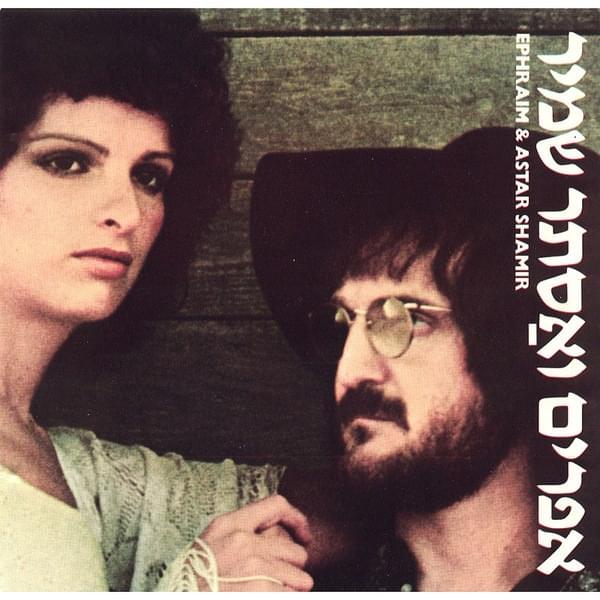
 View Artist