Song Meaning
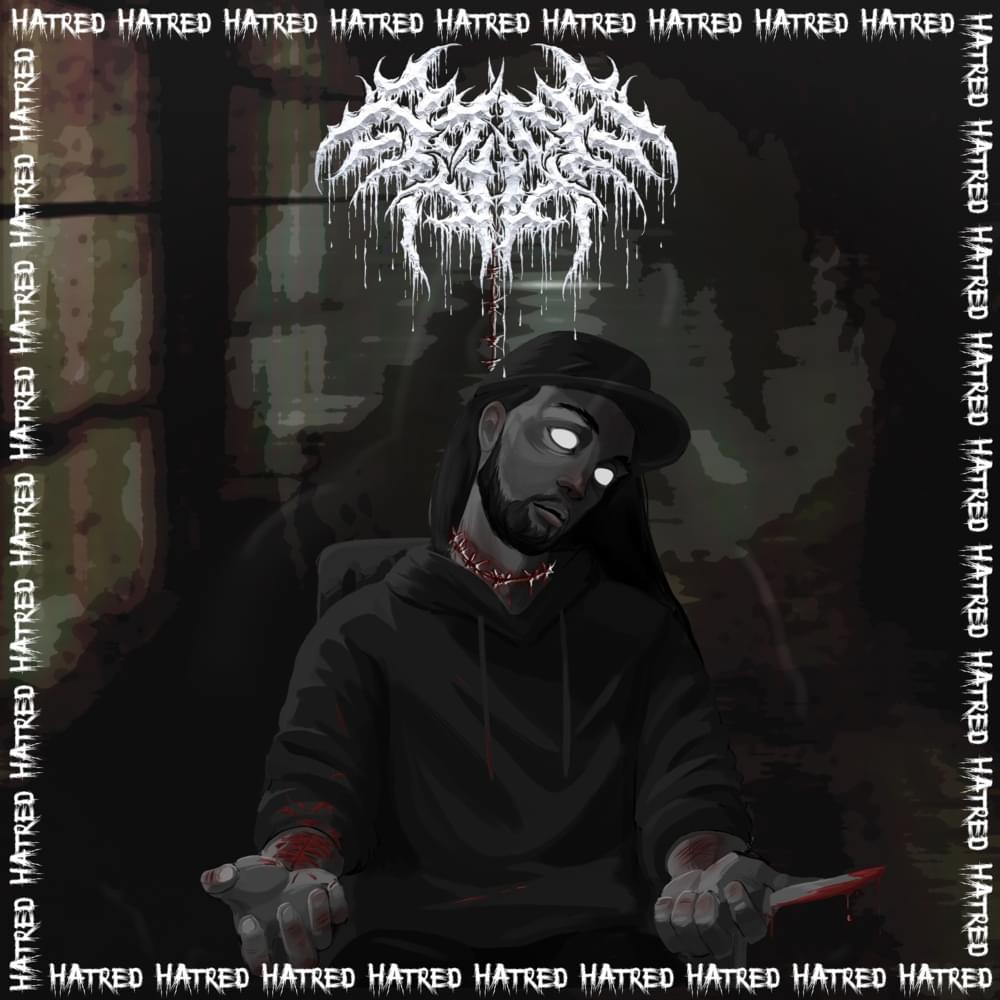
The lyrics paint a stark picture of profound misanthropy, beginning with a disturbing declaration that hatred itself is a form of "economic benefit." The narrator immediately escalates this abstract idea into a violent fantasy, imagining using a rifle on someone and then himself, a brutal self-immolation born from this perceived gain. This sets a tone of nihilistic self-destruction, framing the narrator as a "creature" who invites desecration. The repeated, almost desperate refrain, "I don't love people," underscores a deep-seated alienation.
The central tension lies in the narrator's overwhelming desire for annihilation, both of others and himself. He expresses a willingness to detonate a crowd and seeks his own death, even suggesting a mass suicide atop golden church spires. This extreme imagery, coupled with the vulgarity and aggression, suggests a mind consumed by a destructive impulse. The lines about breeding prostitutes "like fucking pigs" add a layer of degradation and control to his misanthropy, further emphasizing a warped worldview.
The most striking craft element is the internal conflict presented in the bridge, where "voices in my head" command the narrator to "recreate hell on earth." This introduces a potential externalization of the source of his hatred, suggesting it might not be entirely self-generated but rather an imposed madness. The second verse then shifts to a chillingly manipulative stance, presenting a false choice between "fate" or "benefit," and asserting control over escape, stating, "But I have the key to the door, you can't get out." This implies the narrator sees himself as an agent of doom, holding others captive to his destructive vision.
These lyrics are effective because they don't shy away from the ugliest impulses, presenting them with raw, unfiltered aggression. The juxtaposition of violent fantasies with religious imagery, like the "golden church spires," creates a shocking contrast that amplifies the sense of despair and blasphemy. The narrator's self-identification as a "creature" and his embrace of destructive urges, amplified by internal voices, makes for a disturbing yet compelling portrait of profound psychological distress and hatred.
 View Artist