Song Meaning
The lyrics paint a picture of a painful separation that feels both fated and unexpected. The opening lines, a repeated refrain, establish a sense of disbelief and resignation: "Wallah w tifaragna" (By God, we parted) and "And what never was has happened, nor crossed the mind." This suggests a breakup so profound it was unimaginable, yet accepted as destiny: "Written and its time has come." The dominant tone is one of somber acceptance, tinged with the lingering ache of what has been lost.
The central tension lies in the narrator's struggle to reconcile the shock of the parting with the idea of fate. While acknowledging the pain, there's an attempt to frame it as a positive turn: "Perhaps it's for the best." The mention of "lean years" implies a period of hardship that has passed, and the narrator claims to no longer fear the "horror of what I tasted." This suggests a past relationship that was difficult, and perhaps the separation, though painful now, offers a release from that suffering.
A striking element is the direct address to the narrator's own heart: "Oh my broken heart." This personification highlights the internal emotional toll of the separation. The narrator offers a form of solace, stating, "Your life is rewarded for what you have parted with." This framing attempts to imbue the pain with a sense of purpose or spiritual merit, suggesting that enduring this loss is a virtuous act, even if it breaks the heart.
Ultimately, the effectiveness of these lyrics stems from their raw emotional honesty and the subtle interplay between fatalism and personal resolve. The repeated phrases create a hypnotic, almost ritualistic quality, mirroring the way one might dwell on a painful event. The shift from disbelief to a determined declaration of moving on – "The world doesn't stop, and I won't cry over ruins / I'll forget the past anyway and set it free" – offers a glimmer of hope amidst the sorrow, grounded in the belief that this parting, however devastating, was meant to be.
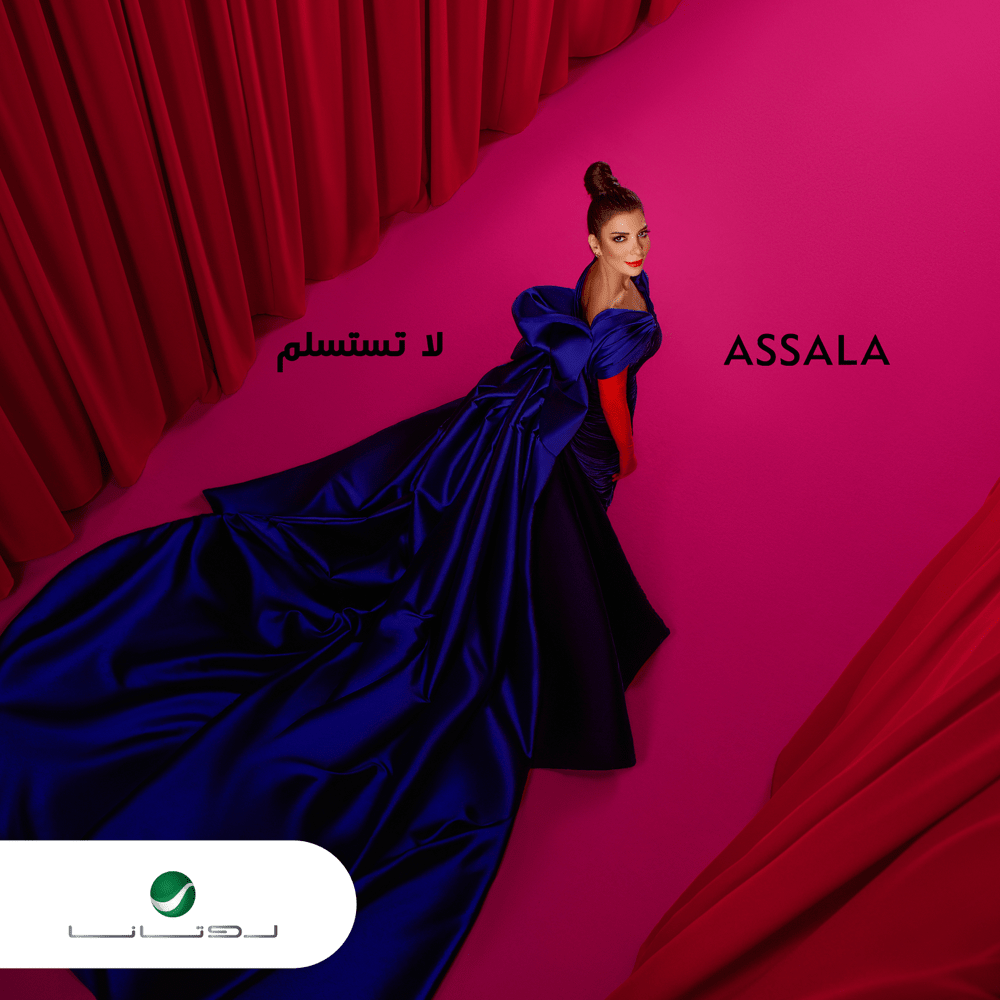
 View Artist