Song Meaning
The lyrics open with a stark, almost abrupt apology: "آسفة، شوفلك غيري" (Sorry, find someone else). This isn't a plea for understanding, but a definitive statement of departure. The narrator is done carrying the emotional weight of a relationship where their partner seems to thrive on sacrifice, demanding someone who will "ضحي" (sacrifice) no matter what. The repeated phrase "مش هتحمل تعبي معاك" (I won't bear my exhaustion with you) underscores a deep weariness, a point where the narrator can no longer sustain the imbalance.
The core tension lies in the narrator's past self-neglect versus their present realization of self-preservation. They admit to trying "ده كله معاك" (all of this with you), where their own weakness paradoxically strengthened the partner: "ضعفت وضعفي معاك قواك" (I weakened, and my weakness made you strong). This admission fuels the urgent questions, "بس لإمتى أنا هفضل أضحي؟" (But until when will I keep sacrificing?) and "وقولي لإمتى أنا هبقى ملاك؟" (And tell me, until when will I be an angel?). The narrator is shedding the role of the selfless, unacknowledged martyr.
The second verse reveals a profound lesson learned through pain: "حبيت هواك لحدود، أكتر من المفروض" (I loved your love to limits, more than I should). The partner's failure to reciprocate or even acknowledge this devotion ("وإنت ولا قدرت" - and you didn't appreciate it) has taught the narrator a harsh but necessary lesson. The heart now knows to "يوفر الإخلاص" (save sincerity/loyalty) for itself, a direct consequence of the partner's indifference. This isn't just about ending a relationship; it's about reclaiming emotional resources that were consistently depleted.
Ultimately, the effectiveness of these lyrics stems from their raw honesty and the clear arc of emotional exhaustion leading to a decisive break. The closing lines, "شوف قد إيه وياك تعبت، وقد إيه سكت وإتحملت" (See how much I tired with you, and how much I kept quiet and endured), serve as a final, quiet indictment. The rhetorical question, "والعمر فيه كام قد إيه؟" (And how much is there in life?), frames the narrator's decision not just as a personal boundary, but as a reclaiming of precious, finite time that was being wasted on an unappreciative partner.
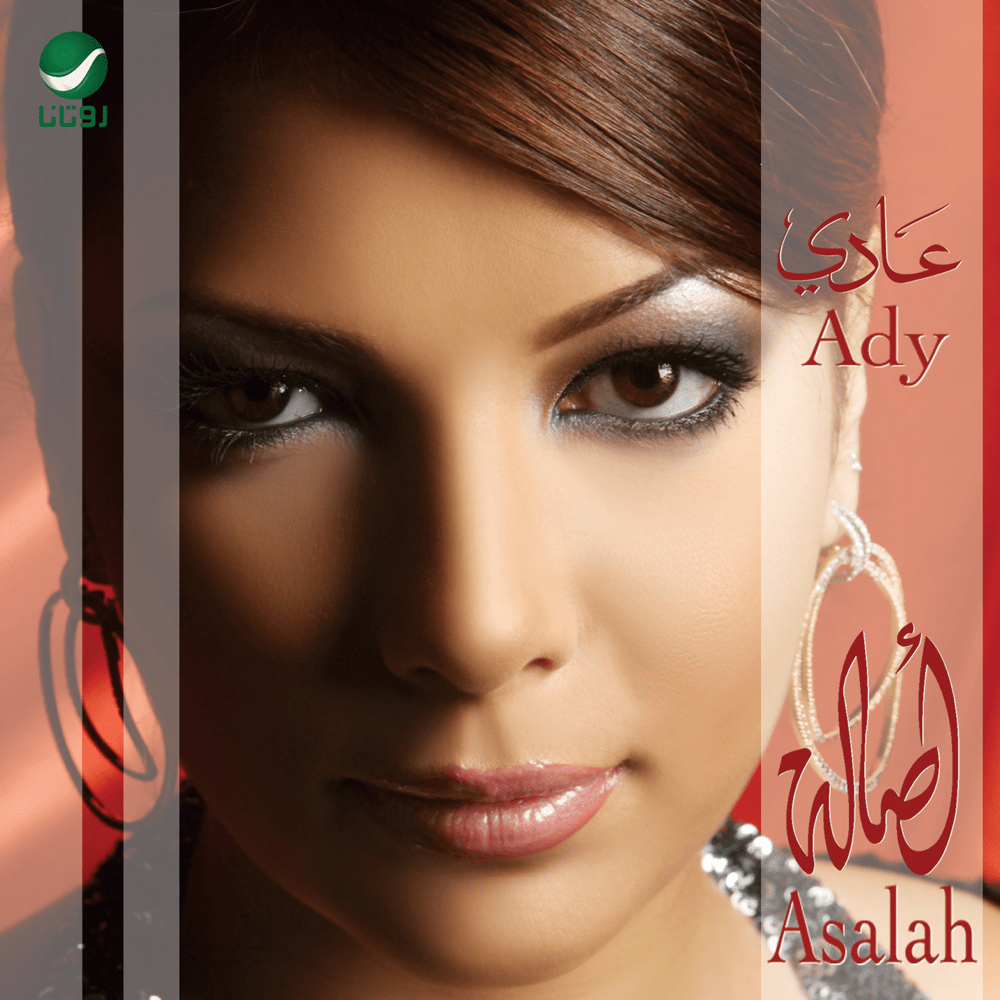
 View Artist