Song Meaning
The lyrics paint a picture of someone facing a departure, with the world outside becoming a blur and rain falling as night sets in. There's a sense of urgency, a hope that the rain will stop by morning, suggesting a desire for clarity or a fresh start. The act of "叩くキーボード" (tapping the keyboard) seems to be a solitary, introspective activity, a way to process thoughts or create a digital reality as consciousness "crawls along lines of light." This digital space offers a potential escape or a place to grapple with feelings of being lost and crying out, though the lyrics caution that realizing these feelings too late is a source of regret.
The central tension arises from a feeling of being trapped in a dark, overwhelming world, described as being "涂れたような世界" (like a world painted with black heavy oil). Despite this bleakness, the narrator insists on finding a "光る道筋を上へ" (shining path upwards). This internal struggle between despair and the search for hope is palpable, questioning what is gained by "塞ぎ込んで" (shutting oneself in) and emphasizing the need to move toward the light, even when surrounded by darkness.
A striking image is the "黒い重油に塗れたような世界" (world like it's painted with black heavy oil), which powerfully conveys a sense of pollution, stagnation, or overwhelming negativity. This contrasts sharply with the "光る道筋" (shining path) that the narrator seeks. The repeated phrase "遅いので 憂え" (it's too late, so regret) highlights a persistent fear of missed opportunities or the inability to act in time, whether in the real or virtual world where one becomes a "仮想世界の創造主" (creator of a virtual world).
Ultimately, the lyrics resonate because they capture the bittersweet nature of moving forward. The dawn arrives, "東の空が光る" (the eastern sky lights up), but the "闇は抱いたままだ" (darkness is still held within) and the "傷は開いたままだ" (wounds are still open). Despite this lingering pain, the resolve to "それでも僕は行こう" (still, I will go) is what makes the song's message potent. It's a declaration of intent to face the unknown future, acknowledging the past's shadows but choosing to step into whatever awaits, ending with a simple, hopeful "ハロー" (hello).
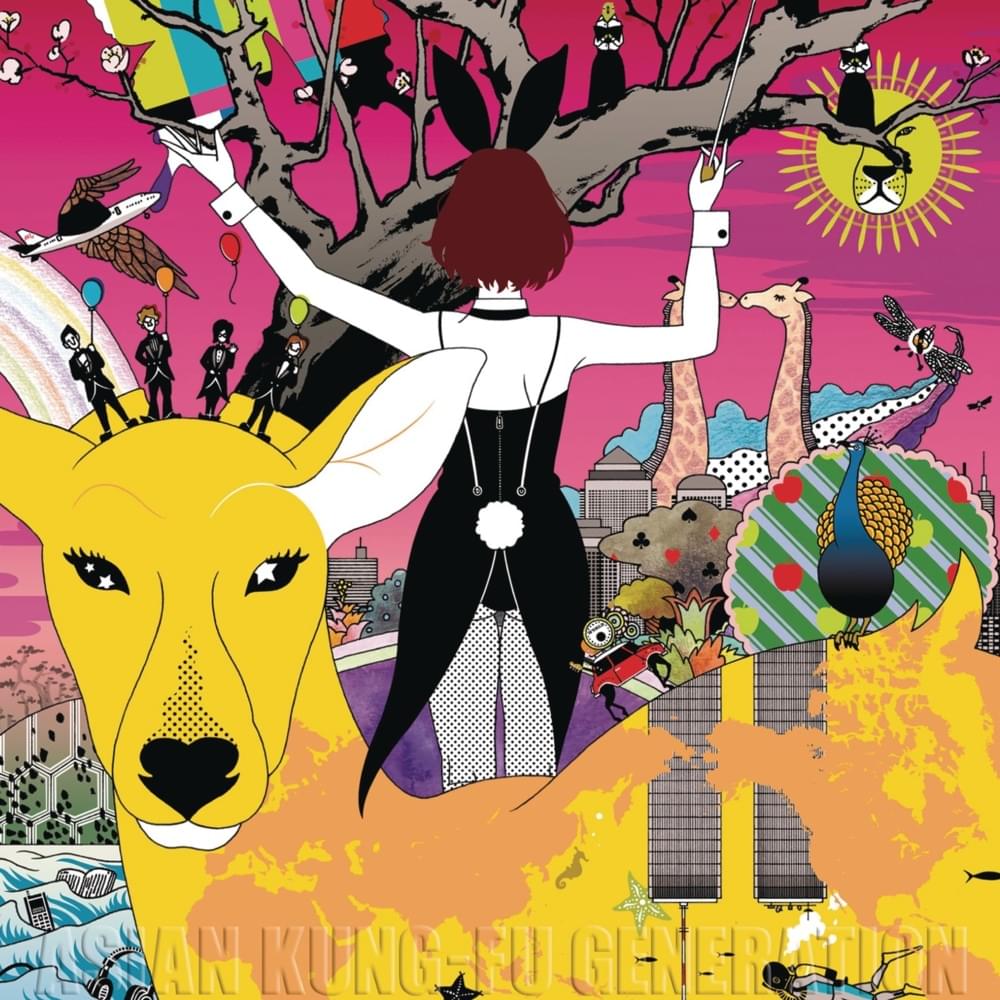
 View Artist