Song Meaning
The narrator is drawing a hard boundary after repeated transgressions. The opening lines, "no way / You've gone and stepped across that fine line," immediately establish a sense of finality. This isn't a negotiation; it's a declaration that a point of no return has been reached, fueled by a history of being lied to and failed attempts at reconciliation. The phrase "a thousand times before" emphasizes the exhausting cycle that has finally broken the narrator's resolve.
The core tension lies in the irreversible nature of the other person's actions, encapsulated by the repeated refrain, "Too late." The imagery of letting "the sun go down" suggests a missed opportunity for resolution or a deliberate choice to end things as daylight faded. Similarly, "You changed direction" implies a conscious pivot away from the relationship or a shared path, making any attempt to backtrack futile. The narrator has clearly moved past the point of wanting to fix things, stating, "I can't take no more."
The most striking aspect of the craft is the stark, almost blunt repetition of "Too late." This isn't just a lyrical device; it mirrors the finality of the situation. The contrast between the narrator's past efforts ("I tried") and the other person's perceived final actions creates a palpable sense of resignation. The shift from "I cried, you lied" to the decisive "Move on, so long" highlights the emotional exhaustion and the acceptance of separation.
These lyrics hit hard because they articulate the painful moment when hope finally dies. The simple, declarative statements and the relentless repetition of "Too late" convey a profound sense of loss and the quiet, devastating finality of a relationship's end. It's the sound of someone closing a door, not with anger, but with the weary certainty that there's nothing left to say or do.
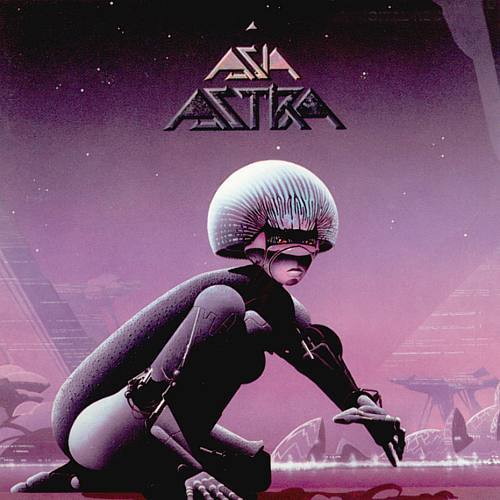
 View Artist