Song Meaning
The lyrics paint a stark picture of a relationship tested by intense hardship, literally described as "love under fire" and standing "in the flame." There's an immediate sense of defiant commitment, a promise of "now and forever" that seems intended to weather any storm, even "after the rain." This initial declaration, however, is quickly undercut by a profound doubt about the very nature of forever.
The central tension lies between the desire for enduring love and the harsh reality of its potential impermanence. The repeated question, "When is forever?" coupled with the resigned "It may be never" and the shrug of "C'est la vie," reveals a deep skepticism. This isn't a naive hope; it's a weary acknowledgment that promises might not hold, even as the speaker clings to the idea of permanence.
The imagery shifts dramatically in the third verse, moving from the abstract "flame" to concrete, isolating scenarios: hiding "in the jungle" or climbing "up a tree." This suggests a desperate, futile search for an escape or an answer that isn't there. The description of a person "cold as a mountain" with a "heart that can freeze" introduces a chilling internal state, contrasting with the external "storm on the water," implying that the greatest danger might be emotional frigidity rather than external conflict.
What makes these lyrics resonate is the raw honesty about the fragility of commitment. The juxtaposition of grand promises with blunt, almost cynical pronouncements creates a compelling emotional landscape. It captures that moment when the ideal of eternal love clashes with the lived experience of uncertainty and emotional distance, leaving the listener with a sense of unresolved, poignant realism.
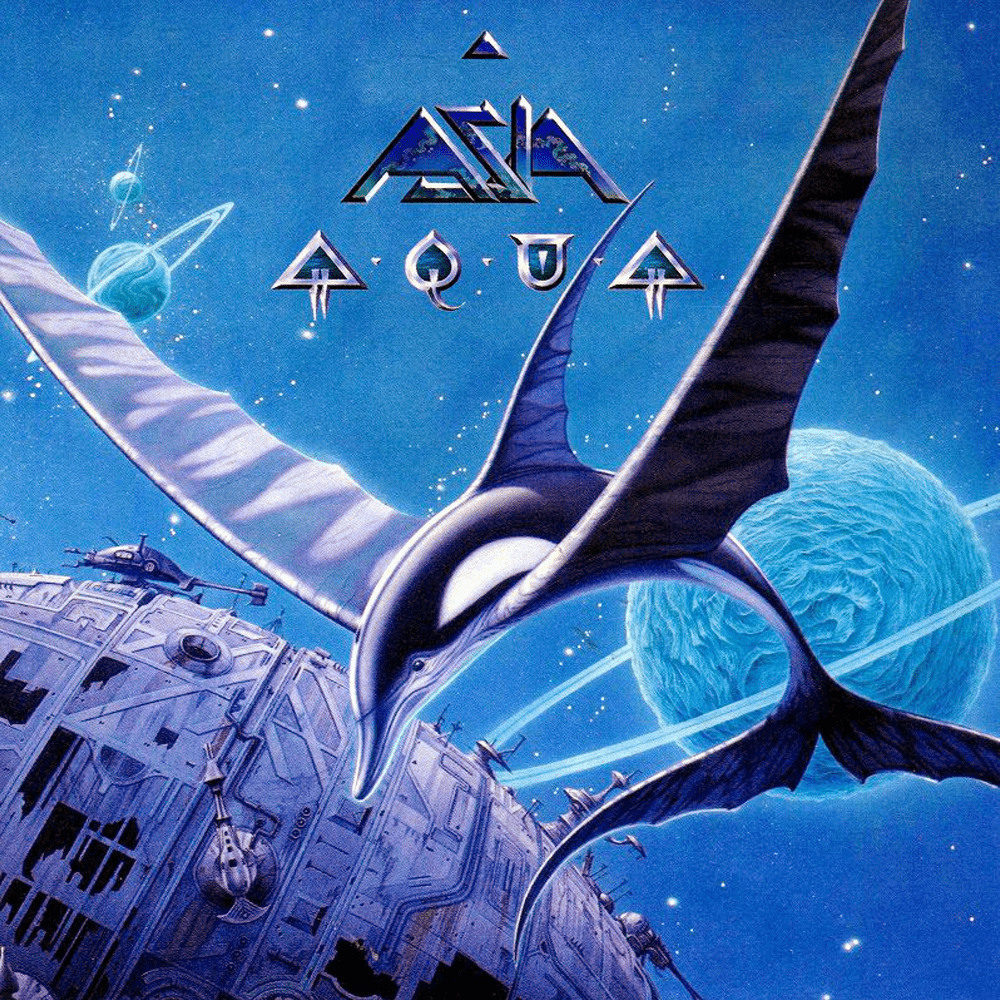
 View Artist