Song Meaning
The lyrics paint a picture of a weary surrender, a final stand against an overwhelming force. The opening lines, "You can take it / If you want it / You can break it / If you need it," establish a tone of concession, a willingness to yield material possessions or physical integrity. Yet, this surrender is not absolute. The narrator declares, "I'll never fight another day," but immediately qualifies it with a crucial distinction: "you can take the flesh not the soul away." This sets up a central tension between external defeat and internal resilience, a refusal to let the spirit be conquered even as the body or worldly possessions are lost.
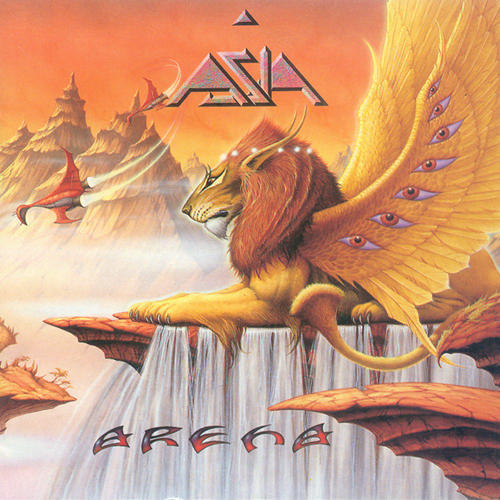
The imagery of the "lions den" and the fight for "ghosts of holy men" evokes a sense of ancient, perhaps futile, struggle. The repeated descent "Into the arena we climb" suggests a shared, inevitable confrontation, a place where one faces judgment or battle. This climb is not one of aspiration but of resignation, a forced entry into a gladiatorial space. The question "Is it over / When the light goes?" coupled with "Bella nova" (beautiful newness) creates a poignant contrast, questioning whether the end of consciousness or hope signifies true finality, or if something new, perhaps a spiritual continuation, emerges from the darkness.
The lyrics powerfully employ the contrast between physical suffering and spiritual endurance. Phrases like "Scars will beat the minds of men" and "Can you feel the thorns upon the skin?" highlight the tangible pain and lasting impact of conflict. However, the repeated affirmations "Yes I hear you / Yes I see you / Yes I feel you / And I need you" offer a counterpoint, suggesting a deep connection or reliance on another presence that transcends the physical struggle. This connection seems to be the source of the narrator's enduring spirit, the "soul" that cannot be taken.
Ultimately, the effectiveness of these lyrics lies in their stark portrayal of a soul holding firm against encroaching defeat. The cyclical nature of the arena imagery and the questions about the end of light create a sense of profound, almost existential weariness. Yet, the unwavering assertion of the soul's inviolability and the desperate need for connection provide a glimmer of defiance, making the narrator's final stance resonate with a quiet, unyielding strength.
 View Artist