Song Meaning
This track immediately throws you into a dark, almost biblical landscape, but with a twisted, modern edge. The narrator claims to walk through the "shadow of death" and fear no evil, but the reason is chillingly simple: they're "blind to it all." This isn't bravery; it's a willful ignorance that fuels a dangerous confidence. The juxtaposition of divine imagery with personal violence is jarring, setting up a profound internal conflict.
The core tension here is the narrator's self-awareness of their own moral corruption clashing with a desperate attempt to cling to a semblance of divine protection. They cite "goodness and mercy" and "still waters" as sources of comfort, echoing familiar psalms, yet immediately undercut it by admitting they "can't walk on the path of the right because I'm wrong." This isn't a crisis of faith, but a crisis of identity, where the narrator knows they are fundamentally flawed but still seeks solace in a framework that demands righteousness.
The most striking element is the narrator's warped perception of comfort and salvation. Their "mind and my gun" are presented as sources of solace, a stark contrast to the spiritual comfort they claim to seek. This inversion highlights a deep-seated reliance on force and control rather than genuine peace. The repeated assertion that their "soul is damned" in the outro solidifies this, revealing a bleak understanding of their fate despite their outward pronouncements of fearlessness.
Ultimately, the lyrics hit hard because they capture a specific kind of self-deception. The narrator is caught between a desire for divine peace and the reality of their own destructive actions, a conflict that feels both deeply personal and unnervingly resonant. The writing forces us to confront the uncomfortable idea that sometimes, the greatest fear isn't evil itself, but the blindness that allows us to commit it.
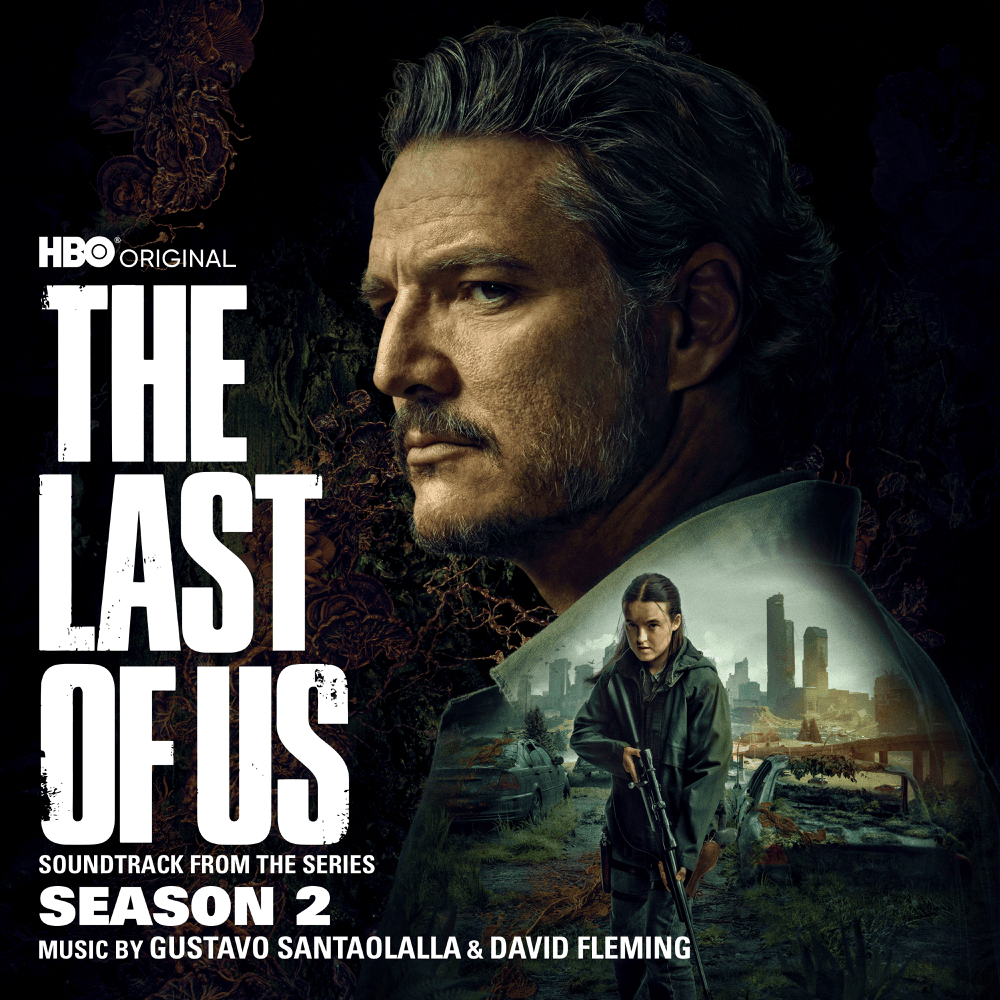
 View Artist