Song Meaning
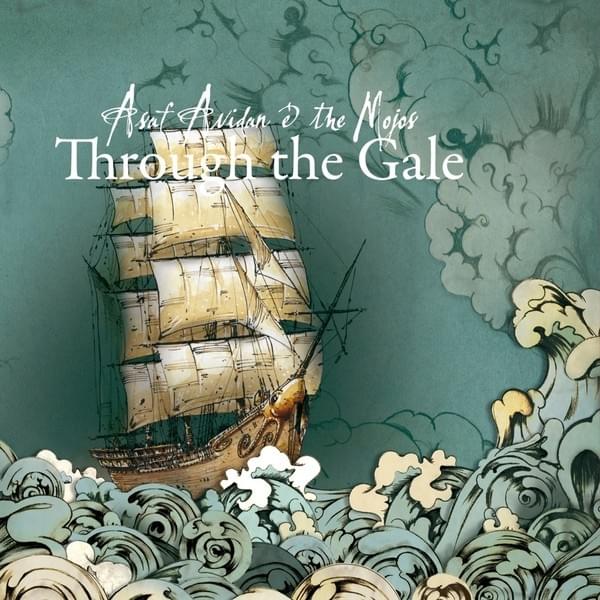
The narrator is on a perilous journey, explicitly stating they will "never see you again" and are heading "back in my land," but this return seems unlikely. A profound internal struggle is underway, as they need to "find myself in my mind." The overwhelming sense of doom is established immediately with a relentless barrage of darkness: "Black are my sails, and black are my flags," mirroring the "black waters" and "black stars." This isn't just a bad trip; it's a descent into a void.
The central conflict is the irresistible pull of the sirens, a force that actively "drag[s] me again." This isn't a passive temptation; it's an active, almost violent, enticement that seals their fate, as the narrator confesses, "I won't be coming home again." The external threat of the "mountains of ocean" crashing down is matched by an internal, almost divine, turmoil, where "My heart is a kingdom where Poseidon resides." This internal landscape is as turbulent as the external one.
The most striking aspect is the stark contrast between the narrator's outward determination and their internal surrender. Despite a "dark vision," their "hand" is "strong," suggesting a fight. Yet, this strength is ultimately futile against the "far-away voices" that "stir me to sand," a powerful image of dissolution and being worn down. The repeated, almost chanted, phrase "Hear the sirens call my name" acts as a hypnotic incantation, reinforcing the inevitability of their fate.
This lyrical construction is effective because it immerses the listener in a claustrophobic, fatalistic atmosphere. The consistent use of dark imagery and the relentless repetition of the siren's call create a palpable sense of dread and entrapment. The narrator's internal battle, though present, is ultimately overshadowed by an external, mythical force, making their final pronouncement of not returning home feel like a tragic, inevitable conclusion.
 View Artist