Song Meaning
The lyrics paint a vivid, almost cinematic scene, opening with a question about where things are headed and a sense of being overlooked. An aunt appears, claiming pregnancy after a short time, a startling announcement that immediately shifts the focus. The repetition of "oyún fun o" (pregnant for you) and "Ìwọ, ìwọ náà" (You, you too) creates a disorienting, almost accusatory atmosphere, suggesting a shared burden or responsibility.
The central tension seems to revolve around this unexpected pregnancy and its implications, particularly for "Wahidi." The chorus, a repeated invocation of "Wahidi, ọmọ sekina, Ọmọ muyina, ọmọ Mohammed," acts as an anchor, grounding the narrative in a specific identity while the verses explore the unfolding situation. The lines "Aynty to l'oyún fun o, o to bi e l'ọmọ" (Aunty who is pregnant for you, she has given birth to your child) and the subsequent "O bi'mo" (She gave birth) confirm the child's arrival, bringing a new dynamic to the situation.
A striking image emerges in Verse 2: "Iwo dudu, ọmọ pupa" (Black you, red child), a contrast that highlights the child's unique appearance and prompts the question, "Bawo lo á¹£e ri?" (How did it turn out?). This is followed by an interlude describing a fight at the king's palace, a seemingly unrelated event that might serve as a metaphor for the conflict or chaos surrounding the child's birth and parentage. The lyrics then return to Wahidi, emphasizing lineage and a sense of inherited responsibility, with the narrator stating, "Mama to bi mama re, ni mama mi" (The mother who gave birth to your mother, is my mother), suggesting a complex family connection.
The effectiveness of these lyrics lies in their directness and the way they build a narrative through fragmented, yet potent, images and pronouncements. The ambiguity of the initial claim of pregnancy, the stark confirmation of birth, and the questioning of the child's appearance all contribute to a sense of unfolding drama. The repeated chorus provides a rhythmic insistence, while the final lines, "Abo ọ̀rọ̀ la n so f'ọmọluabi / T'o ba de inu re, a d'odindi" (We speak half words to a noble person / When it enters their heart, it becomes whole), suggest a deeper, unspoken truth or wisdom being imparted, leaving the listener to ponder the full meaning of the events.
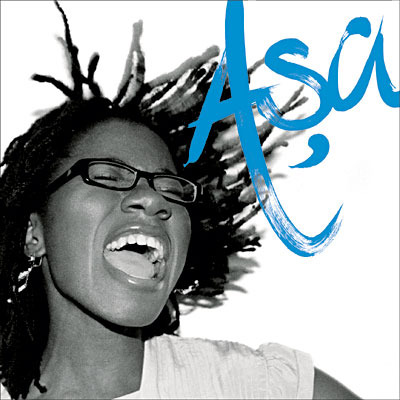
 View Artist