Song Meaning
The lyrics paint a picture of a fractured relationship, tinged with regret and a sense of inevitable departure. The opening lines immediately establish a tone of shame and judgment, hinting at a past perception of someone that the speaker now finds regrettable. This is juxtaposed with the unchangeable reality of a parental bond, stating, "She's been your daughter / Since she was made." This sets up a central tension between personal judgment and an inherent, perhaps unwanted, connection.
The narrator then shifts to their own experience, confessing a compulsive need to escape. The phrase "my legs / They don't forget / When they find a way out / They'll always take it" suggests an ingrained pattern of leaving, a lack of control over their own actions. This flight instinct seems to be a defining characteristic, making any promise of change feel hollow, as the narrator admits, "I wouldn't believe it."
The chorus powerfully captures a feeling of disorientation and loss. The imagery of an "overgrown" path and the question "how we became this" evokes a sense of being lost, both physically and emotionally, in a situation that has spiraled beyond their understanding or control. This feeling of helplessness is amplified by the subsequent verse, where the narrator admits to pursuing someone solely for what they possess, detached from their identity: "She has a name / But I don't have to know." This cold transactional approach contrasts sharply with the earlier mention of a daughter, suggesting a pattern of superficial connection and exploitation.
Ultimately, the lyrics convey a profound sense of disconnection and a struggle with ingrained behaviors. The repeated idea of not knowing how things became so complicated, coupled with the narrator's own flight response and detached pursuit of others, highlights a deep-seated inability to maintain stable relationships or confront difficult truths. The final lines about the "loss of innocence" and the inevitability of growth suggest a resignation to these patterns, a melancholic acceptance of a path that cannot be altered.
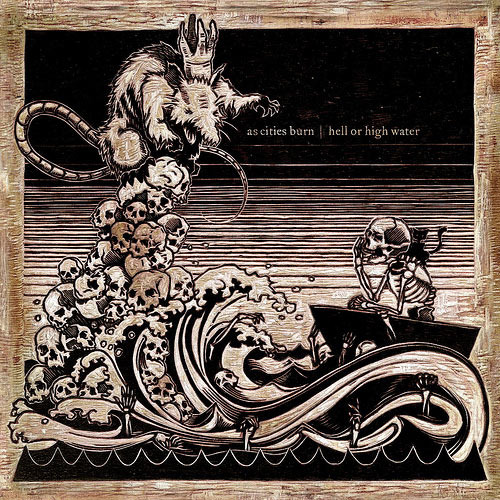
 View Artist