Song Meaning
The lyrics paint a stark picture of human existence as a fleeting journey, a brief flicker between two eternities of darkness. The opening plea to a "Lord of the heart" sets a tone of humble supplication, seeking guidance and a light beyond the ordinary sun. This initial request for divine illumination immediately contrasts with the subsequent, more somber depiction of life's trajectory.
The central tension lies in the ephemeral nature of human life, framed by the powerful metaphor of a "bird of passage." This creature, appearing suddenly from the night into a lit space, only to vanish again into darkness, serves as a potent symbol for our own brief existence. The repetition of "Flies in at a lighted door / Flies through and on in its darkened flight / And then is seen no more" emphasizes the swift, almost ungraspable passage of time and experience.
The craft here is in the stark, almost brutal simplicity of the imagery and its direct application to the human condition. The contrast between the "lighted door" and the surrounding "night" or "darkened flight" is not just visual; it represents the limited span of consciousness or understanding we possess. The final, echoing lines, "Out of darkness we come at birth / Into a lamplit room and then / Go forward into dark again / Go forward into dark again," drive home the cyclical and ultimately transient nature of our time on earth, leaving a lingering sense of melancholy and existential reflection.
This lyrical construction is effective because it avoids complex theological or philosophical arguments, instead relying on a universally understandable, almost primal image of light and dark. The repetition of the final phrase creates a sense of inevitability, making the listener feel the weight of this brief, illuminated passage. It’s a concise, poignant statement on mortality, delivered with an unadorned, resonant power.
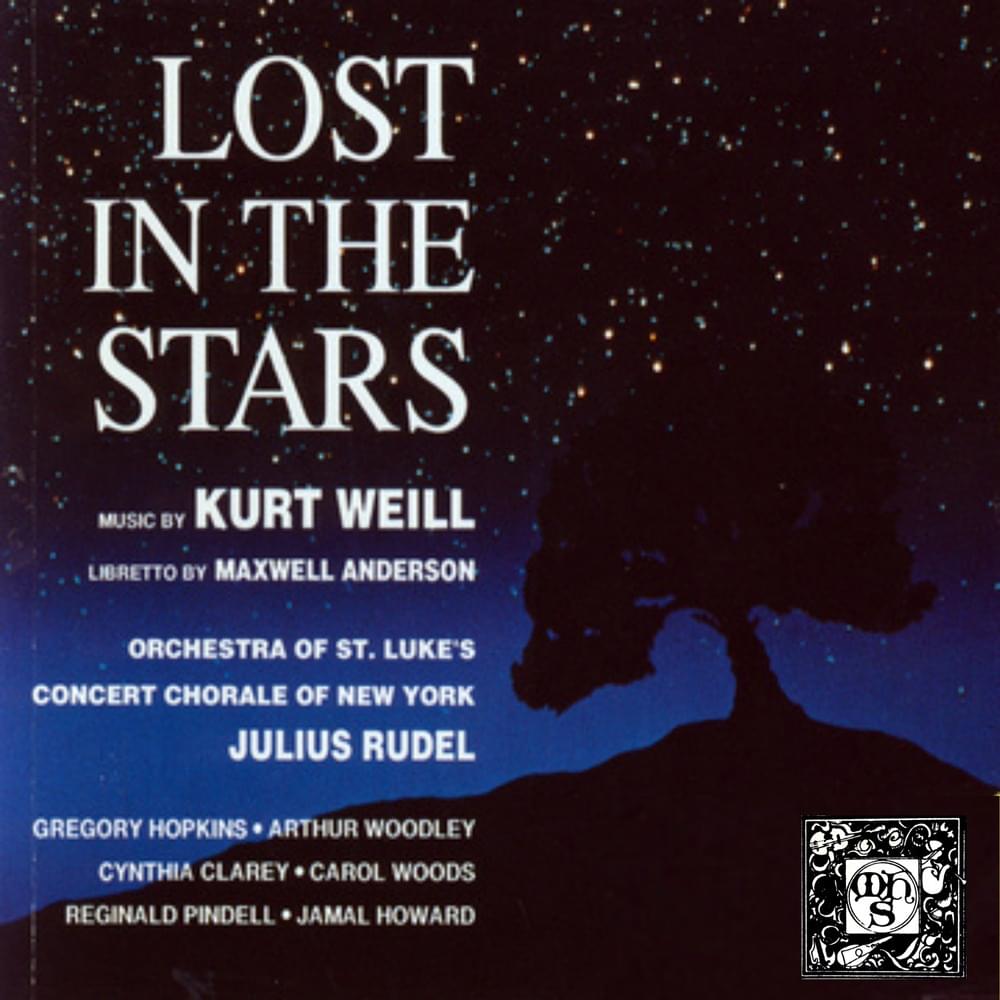
 View Artist