Song Meaning
The narrator addresses a lover, Lucasta, to explain his departure for war. He preempts her accusation of unkindness, framing his choice not as a rejection of her but as a necessary pursuit. The opening lines establish a gentle, almost domestic contrast between Lucasta's "chaste breast and quiet mind" and the harsh reality of "war and arms."
The core tension lies in the narrator's divided loyalties. He acknowledges a "new mistress" – the call to arms – which he embraces with "stronger faith" than he might his lover. This mistress is personified by the "sword, a horse, a shield," concrete symbols of martial duty and adventure that pull him away.
The most striking aspect is the narrator's justification: this "inconstancy" is presented as a virtue that Lucasta herself will eventually "adore." The ultimate reason is a profound commitment to "honour," which, he argues, is the very thing that allows him to love her so deeply. Without this higher calling, his love for her would be diminished.
This lyrical argument is effective because it elevates personal ambition and duty above romantic affection, presenting it not as a betrayal but as a necessary condition for true love. The narrator's conviction that honour is the source of his capacity to love makes his departure, however painful, seem noble and inevitable.
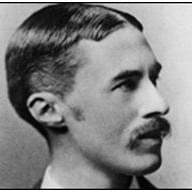
 View Artist