Song Meaning
The lyrics paint a scene of profound evening peace, where the very landscape, the "Champ du Repos," feels divinely ordained. An "invisible bell" tolls the "Angélus du soir," its clear sounds crossing over humanity, suggesting a moment of spiritual grace and quiet contemplation. The imagery blends the earthly with the ethereal, as moonlight and shadow merge, and the bell's mystical call seems to pour blessings into the soul. This twilight hour transforms a small cemetery into a space of "eternal happiness."
The central tension arises from the fleeting nature of this perfect moment. The "Angélus" is described as dying, yet also as trembling on the edge of a golden cloud, a paradox that highlights its imminent departure. This dying bell's sound is perceived as a sign of the cross, formed by two silver rays, further imbuing the scene with religious and fateful significance. It's a moment poised between the sacred and the ephemeral.
The most striking craft element is the personification of the "Angélus." It doesn't just ring; it "dies," it "trembles," and ultimately, it "plants" its "white mystical cross" on the narrator's heart, signing their destiny. This active, almost physical, imposition of the bell's presence transforms a passive auditory experience into a deeply personal, fated encounter. The transition from an external, invisible bell to an internal, inscribed destiny is powerfully rendered.
This lyrical passage achieves its emotional impact through a masterful blending of sensory details and spiritual symbolism. The gentle, almost hushed tone, combined with the recurring motif of the bell and the cross, creates a powerful sense of surrender to a benevolent, albeit transient, fate. The narrator's heart becomes the final resting place for this moment of "eternal happiness," making the abstract peace of the evening intensely personal and definitive.
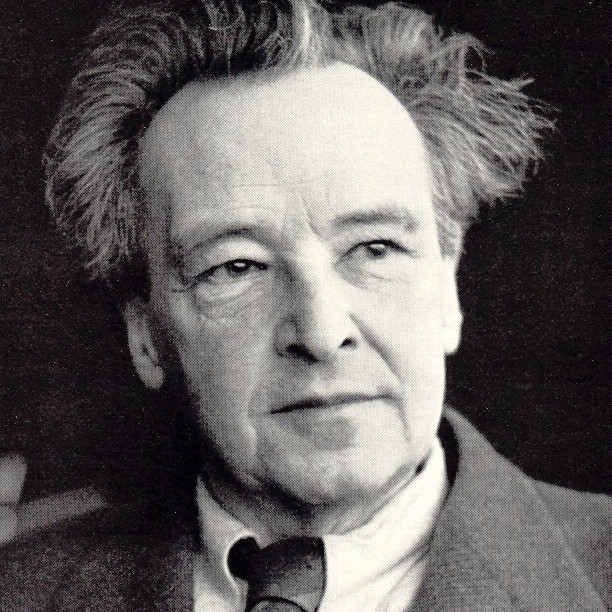
 View Artist