Song Meaning
The lyrics of "I Hang My Head and Cry" paint a stark picture of persistent heartbreak, a loop of sorrow triggered by a recurring sight. Every time the narrator sees a former lover, the only response is to "hang my head and cry." This immediate, visceral reaction establishes a profound sense of helplessness and inescapable grief right from the start.
The emotional core of the song lies in this relentless cycle of pain and the inability to escape it. The narrator admits, "I can't forget her tho I try," suggesting a futile struggle against memory. The past relationship is idealized as "golden love," now gone, yet "each broken dream still lingers on." This contrast highlights the chasm between cherished memories and the present reality of loss, leaving a "weary heart" constantly asking why.
The song's most striking craft element is its powerful use of repetition, particularly the core refrain. This structural choice doesn't just describe the narrator's state; it makes the listener *feel* the inescapable, ritualistic nature of the grief. However, the final stanza delivers a crucial twist, shifting from passive suffering to active self-reproach: "Foolish pride, oh, pride, what have you done / You have made me lose my only one." This revelation transforms the narrative, adding a layer of regret and self-inflicted wound to the already deep sorrow.
Ultimately, these lyrics are effective because they tap into the raw, unvarnished experience of loss complicated by regret. The simple, direct language and the relentless, almost hypnotic repetition of the central image create a powerful sense of being trapped in a moment of pain. The late reveal of "foolish pride" deepens the emotional impact, suggesting that the suffering isn't just a consequence of loss, but a direct result of the narrator's own actions, making the heartache feel even more personal and tragic.
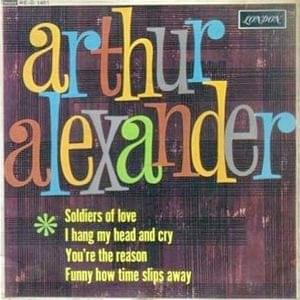
 View Artist