Song Meaning
The lyrics paint a vivid picture of a cherished childhood memory in West Texas, centered around the simple joy of chasing wooden airplanes. The narrator recalls a time of pure camaraderie, where the "propeller's spinning" in the wind and the laughter suggests a carefree existence. This idyllic scene is framed by a deep sense of brotherhood and friendship, a bond so strong it feels like it could last forever. The repeated wish, "I wish we were chasing after wooden airplanes... once again," underscores a profound longing for that lost innocence and connection.
The narrative then pivots to the present, acknowledging a life lived with both triumphs and regrets. The road has been "long," marked by "good" and "bad" deeds, leading to a state of near "madness." This contrast between the unburdened past and the complex, perhaps troubled, present creates a palpable emotional tension. The narrator grapples with the weight of their experiences, suggesting a significant departure from the simple happiness of their youth.
The most striking element is the juxtaposition of the "wooden planes" with the narrator's current life. These simple toys become a potent symbol of a purer, more innocent time. The narrator asks that if their life story causes sadness, the listener should recall "when we were chasing after wooden airplanes." This plea suggests that the memory of that shared, uncomplicated joy is the ultimate solace, a touchstone of goodness amidst the complexities and potential darkness of adulthood. The assertion, "Yes, I believe that was the finest time," solidifies this memory as the pinnacle of their existence, a stark counterpoint to the "mad" present.
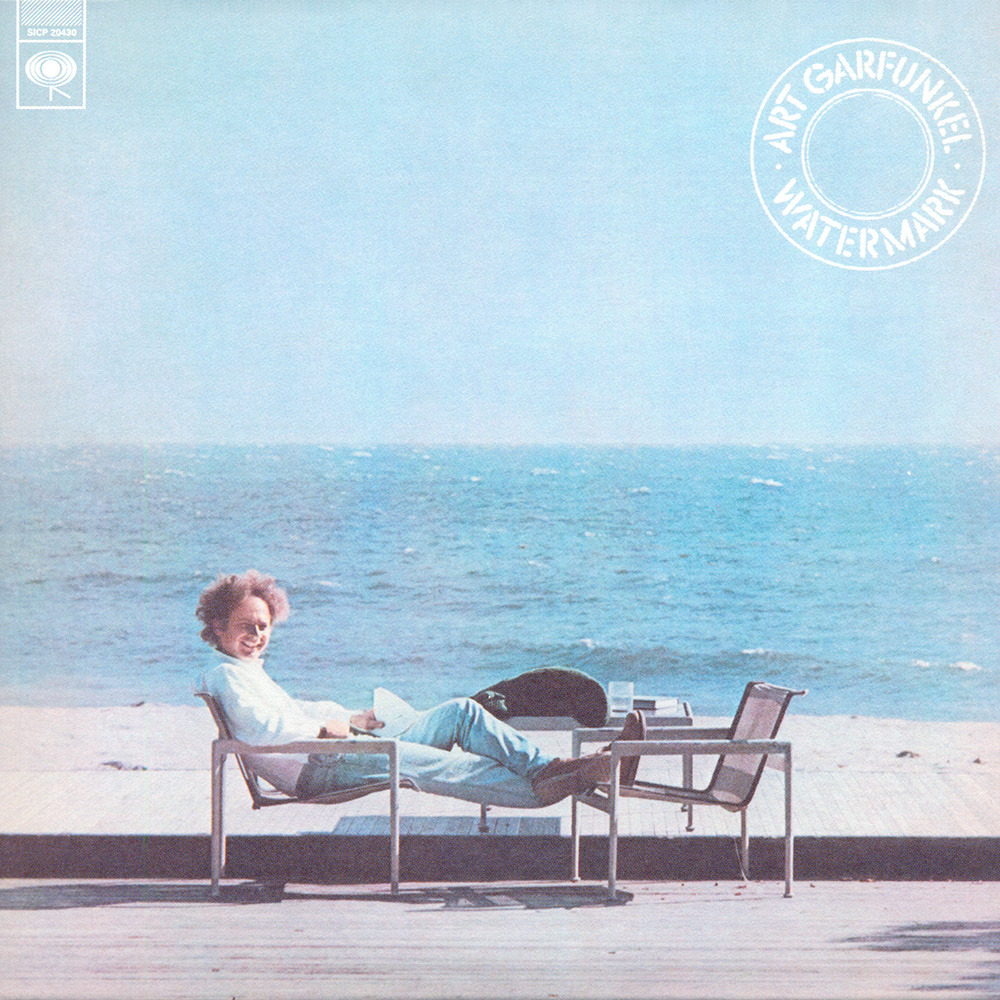
 View Artist