Song Meaning
The narrator finds himself surprisingly tethered to a woman's presence, admitting, "I've grown accustomed to her face." This isn't a grand declaration of love, but a quiet acknowledgment of habit and comfort. Her routine, from "smiles, her frowns" to her daily "tune," has become so ingrained it's "second nature," likened to the involuntary act of breathing. The lyrics highlight a subtle shift from a state of "serenely independent" contentment to one where this woman's presence is now a fundamental part of his daily rhythm.
The central tension lies in the narrator's struggle to reconcile his past self with his present state. He asserts that he "surely could always be that way again," implying a desire to revert to his former independence. Yet, the repeated phrase "I've grown accustomed" directly contradicts this assertion, revealing an internal conflict between his perceived self-sufficiency and the undeniable reality of his reliance on her familiar presence. This isn't about passionate love, but the deep, almost unconscious comfort derived from routine and familiarity.
The most striking aspect of the craft is the deliberate, almost mundane imagery used to describe a profound shift in the narrator's life. Comparing his attachment to "breathing out and breathing in" strips away romantic hyperbole, grounding the feeling in a biological, unavoidable reality. This understated approach makes the narrator's admission of being "accusation" of being accustomed feel both reluctant and deeply true, suggesting that the most significant changes in our lives often happen not with a bang, but with the quiet, steady rhythm of everyday existence.
This lyrical approach is effective because it captures a common, often unacknowledged human experience: how easily we adapt to the presence of others, integrating them into our lives until their absence would feel like a physical void. The narrator's mild bewilderment at his own state, coupled with the simple, direct language, makes his realization feel authentic and relatable. It’s a quiet testament to the power of routine and companionship, even when not explicitly sought or understood.
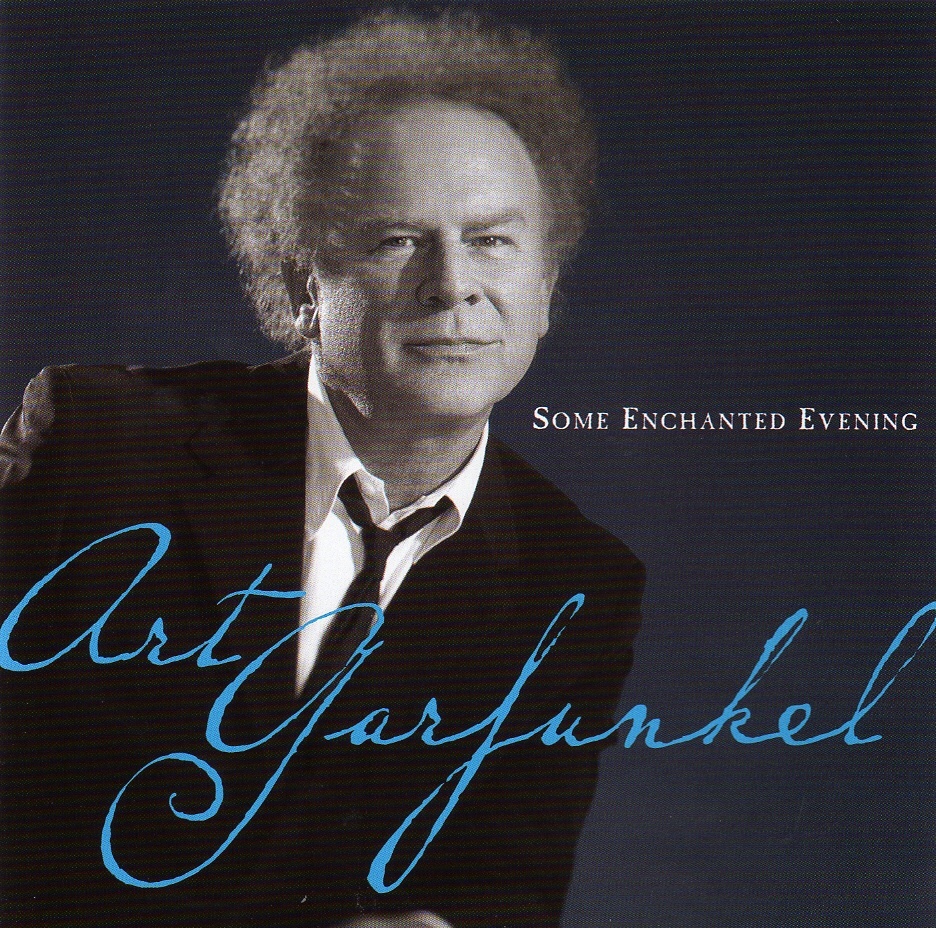
 View Artist