Song Meaning
These lyrics paint a vivid picture of two individuals bound by profound, almost elemental contrasts. The speaker casts themselves as a restless, rudderless force, adrift and scarred by life's battles. In stark opposition, the other person is depicted as a steadfast harbor, a source of care and stability.
The central tension arises from this fundamental imbalance: one experiences "battles, defeats, and wounds," while the other's role is simply "to wait, to care." Yet, the lyrics suggest this isn't a burden but a symbiotic necessity. The line "What would I be without light, what would you be without shadow" directly articulates a deep, almost fated codependency, implying that each completes the other in an essential way.
The craft here is masterful in its use of archetypal imagery and stark antithesis. The speaker is the "tramp," the "thorn," the "darkness," while the other is the "lady," the "rose," the "light." These pairings are not just descriptive; they build a powerful sense of two halves of a whole, destined to meet. The striking image of the other sleeping "naked in a wild forest" adds a layer of raw vulnerability and trust amidst the speaker's perceived chaos.
Ultimately, what makes these lyrics so effective is their unflinching acceptance of these complementary roles. The repeated refrain, "You are light, I am darkness," isn't a lament but a statement of identity and connection. The twist that the speaker is "your weakness" while the other is "my strength" beautifully encapsulates how their opposing natures don't just balance, but actively empower each other, creating a bond that transcends simple differences.
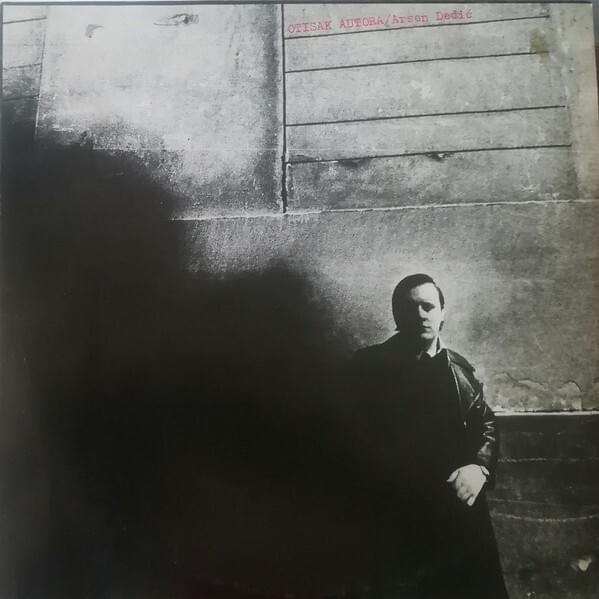
 View Artist