Song Meaning
The lyrics paint a picture of a clandestine affair, initiated in November and unfolding over a year, with a piano bar as its discreet sanctuary. The narrator and their lover are in the early stages, stealing time together, observed only by the piano player. This silent witness becomes a confidant, privy to their secret moments, making the piano bar a stage for their unfolding, illicit romance. The repetition of "pijanista" underscores his constant presence and the consistent nature of their meetings.
The central tension lies in the forbidden nature of the relationship, described as "ukradeni sati" (stolen hours). The piano player is the sole external entity aware of this hidden narrative, acting as a silent keeper of their secret. The lyrics suggest a deep emotional reliance on this shared space and its musical backdrop, framing their affair as a private film watched over by the musician. The phrase "ko' na filmu" (like in a movie) elevates their secret meetings to a dramatic, almost cinematic experience.
The most striking craft element is the recurring image of the piano player and the piano bar as a constant in the narrator's life, even after a year has passed. The return to the bar in November, as the "zadnja zraka sunca blista" (last ray of sun shines), evokes a sense of melancholy and the passage of time, yet the piano player is still there, ready to play "našu stvar" (our tune). This "našu stvar" is revealed to be a "Å¡lager, jeftin, star" (cheap, old Schlager song), suggesting a simple, perhaps even cliché, soundtrack to their complex emotional entanglement, highlighting the contrast between the mundane music and the intense, hidden emotions.
These lyrics resonate because they capture the bittersweet intimacy of a secret love. The piano player acts as a grounding element, a silent observer who imbues the stolen moments with a sense of permanence and shared history. The choice of a "cheap, old Schlager song" as their special tune adds a layer of poignant authenticity, suggesting that even the most ordinary elements can become deeply meaningful within the context of extraordinary, hidden emotions.
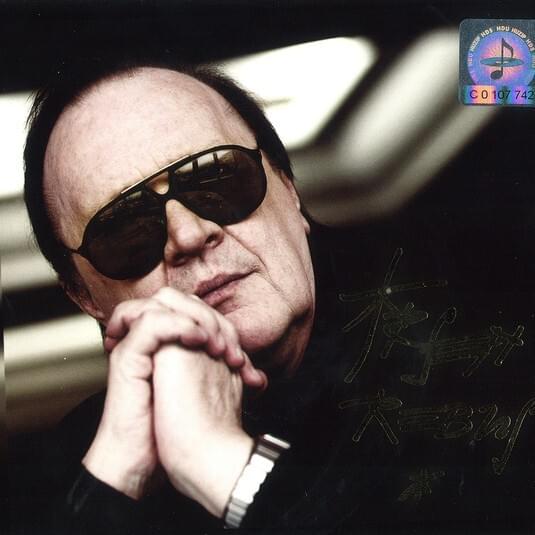
 View Artist