Song Meaning
The lyrics paint a stark portrait of a person who possesses a profound inner world, yet remains utterly unaware of its depth. The recurring phrase "Ima, a ne zna" (Has, but doesn't know) sets up this central paradox. This individual carries a "grave inside" and "arms spread wide" like a cross, suggesting a heavy, perhaps spiritual, burden or a crucifixion of sorts, but they are oblivious to this internal landscape. The contrast between the inner richness and outer ignorance is immediate and striking.
The dominant tension arises from this disconnect between having and knowing. The narrator observes someone with "angels good / On their face," implying a potential for goodness or purity, yet this person is also trapped in a "cage" with a "bird," hinting at a suppressed spirit or a longing that remains unrecognized. The image of "bees in the hand" is particularly potent; it signifies potential, perhaps even danger or a sting, but the individual doesn't know what to do with it, highlighting a passivity or lack of agency despite possessing something significant.
The writing masterfully employs contrasting imagery to underscore this theme. We see "green sails" and "white clouds" – elements suggesting movement, freedom, and the ethereal – juxtaposed with "burnt grass" and "field of poppies," which evoke desolation and perhaps a painful beauty. The line "thorns under the throat / Of scars" is a visceral image of past suffering that the subject seems to carry without conscious awareness. This internal suffering, symbolized by the thorns and scars, is present but unknown, emphasizing a profound state of unawareness.
Ultimately, the lyrics resonate because they tap into a deep human experience of unacknowledged potential and internal conflict. The narrator's observation of someone who "dreams nothing / Wants nothing" and "will not know / When they leave / To return" suggests a tragic finality to this state of being. The power lies in the quiet observation of a life lived without self-awareness, a profound internal richness that remains tragically inaccessible to the person who possesses it, leaving the reader to ponder the nature of consciousness and the burdens we carry unknowingly.
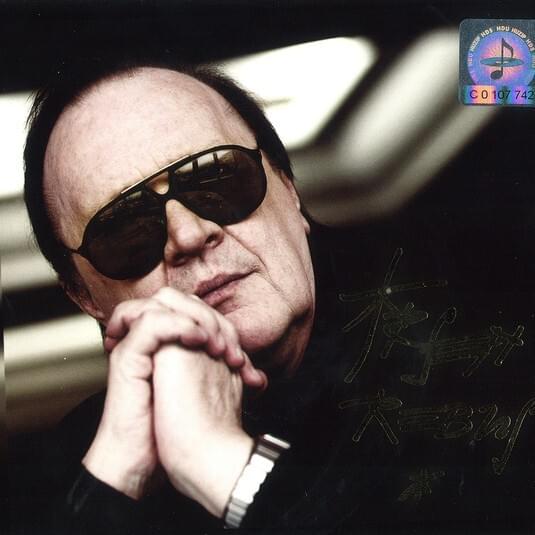
 View Artist