Song Meaning
The lyrics paint a picture of a "white bird" – a creature, perhaps a person, fundamentally mistaken about its own nature and desires. There's a persistent, almost weary acknowledgment: "I know it's mistaken." This isn't a judgmental observation, but a statement of fact, delivered with a sense of resignation. The bird seeks the north but finds the south, mistaking grain for water, a fundamental error in survival.
The core of the song lies in this persistent self-deception. The lyrics suggest a confusion between opposites: the sea and the sky, night and morning. This isn't just about misplaced direction; it's about a warped perception of reality itself. The repetition of "and then it's mistaken" emphasizes how deeply ingrained this flawed perspective has become, a cycle that seems impossible to break.
The most striking imagery comes in the contrast between the natural world and intimate human connection. The bird sees stars when there was dew, warmth when there was snow – a complete disconnect from its surroundings. This disorientation culminates in the mistaken belief that the "skirt, your blouse, your heart" are its home. It’s a profound error, mistaking another's intimacy and possessions for its own belonging, a desperate attempt to find a place it fundamentally cannot inhabit.
This lyrical construction is effective because it uses simple, stark contrasts to build a powerful emotional portrait. The "white bird" becomes a potent metaphor for anyone lost in delusion, unable to recognize their own needs or the reality of their situation. The repeated "I know it's mistaken" acts as a quiet, mournful refrain, highlighting the tragedy of self-deception when the truth seems so obvious to an outside observer.
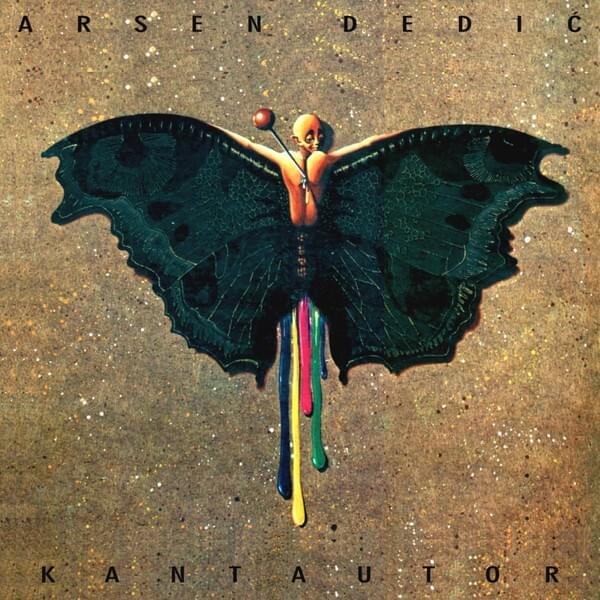
 View Artist