Song Meaning
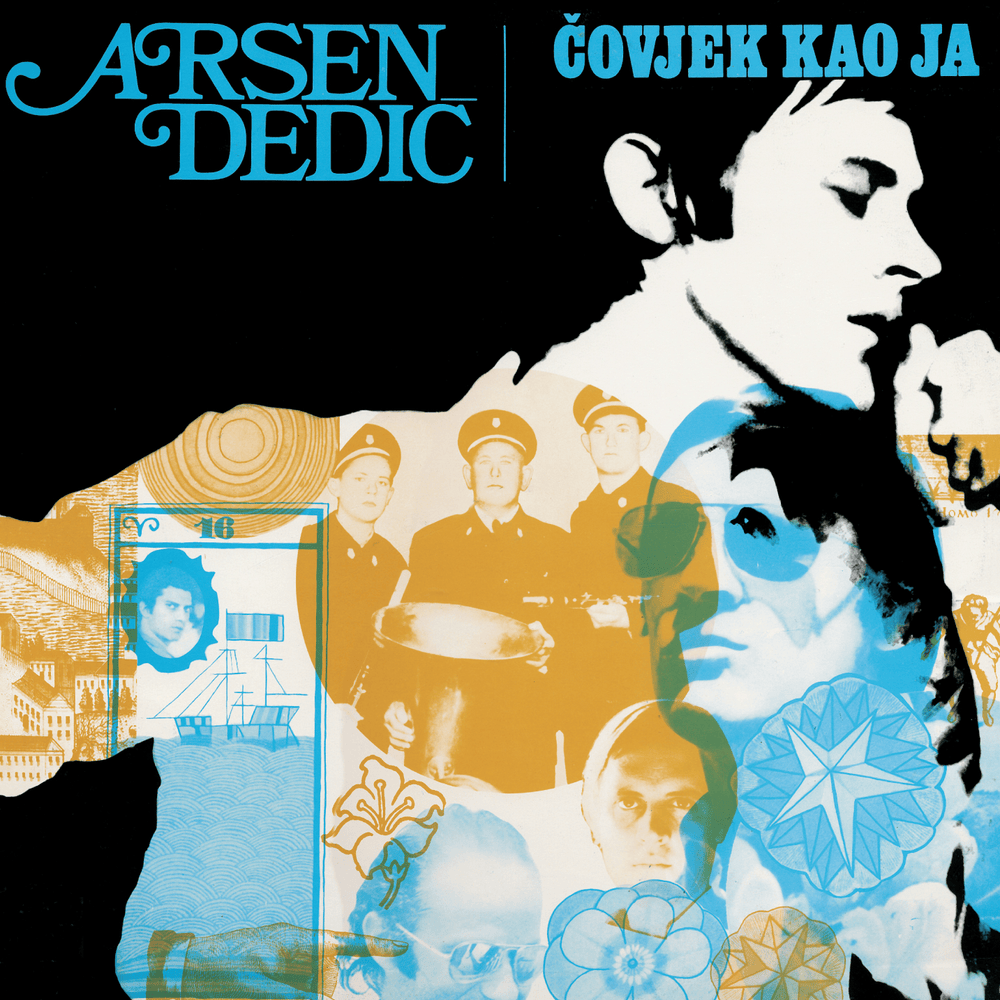
The narrator paints a stark portrait of himself as fundamentally unsuited for the person he's addressing, emphasizing a bleakness he can only offer. He states plainly, "Ne za te nije čovjek kao ja" (Not for you is a man like me), immediately establishing a sense of inadequacy. The core of his self-assessment lies in what he *can't* provide: "ljubav tužnu samo može da ti da" (only sad love he can give you) and "život gorak samo može da ti da" (only bitter life he can give you). This isn't just a lack of material wealth; it's an emotional and existential poverty that he believes would trap his intended recipient.
The central tension arises from this self-awareness clashing with a desperate desire to give everything. Despite recognizing his limitations, he insists, "Ničeg nemam da dam osim sebe / A dao bih sve" (I have nothing to give but myself / But I would give everything). This paradox fuels the narrative: he knows he's not enough, yet his willingness to sacrifice himself is absolute. He envisions a shared existence of quiet solitude, "Ja bih htio da budemo sami / I da nečujno prolaze dani" (I would like us to be alone / And for the days to pass unheard), a desire that seems to stem from a place of deep personal resignation rather than shared joy.
The imagery of decay and emptiness is particularly striking. The setting is a room "bez svijetlosti i mira" (without light and peace), where "Vergl još rijetko svira" (a barrel organ rarely plays anymore). This creates a palpable atmosphere of stagnation and faded vibrancy. The narrator's perception of the future for the other person is equally bleak: "budućnost za te / Je svijet od papira" (the future for you / Is a world of paper), suggesting fragility and insubstantiality. This contrasts sharply with his own offer of
 View Artist