Song Meaning
The narrator immediately aligns himself with the notorious gentleman thief, Arsène Lupin, declaring, "I was also a lordly robber." This isn't just about petty theft; it's about a persona, a cultivated image. The striking juxtaposition of "noose and tie" with "suit me around the neck" with the self-identification as "gentleman and thief" paints a picture of calculated risk and a flair for the dramatic, suggesting a life lived on the edge of respectability and infamy.
The core of the narrator's identity, as presented, lies in a peculiar form of Robin Hood-esque redistribution. The repeated refrain, "I stole the hearts of elegant ladies / And gave them to orphans," reveals a complex moral code. It implies a detachment from material gain, focusing instead on emotional currency and a desire to uplift the less fortunate, even if the means are unconventional and morally ambiguous.
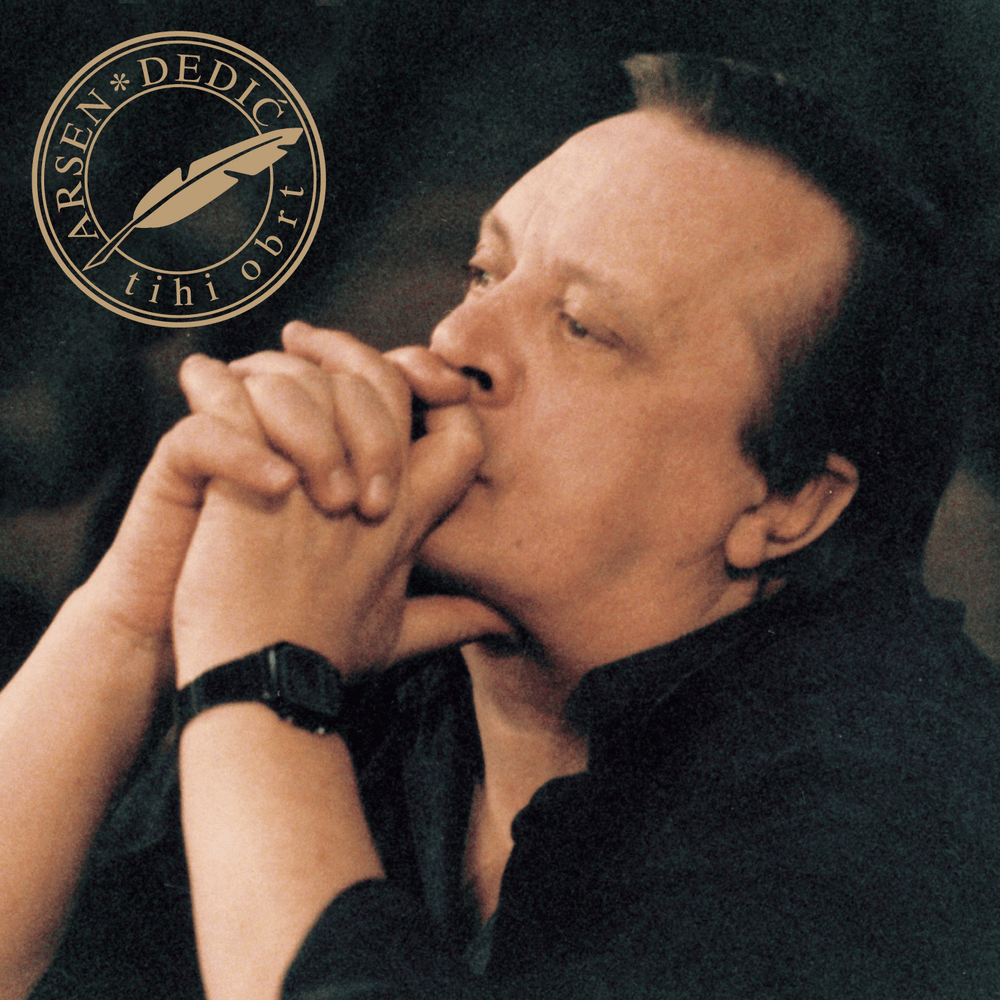
The most fascinating element is the narrator's self-definition: "In me are Arsen Dedić and Lupin." This fusion is key. While Lupin represents the cunning, charming outlaw, Arsen Dedić (a famous Yugoslav singer-songwriter) likely embodies a more artistic, perhaps even romantic, sensibility. This duality suggests a character who is both a master manipulator and a soulful artist, using his "criminal attitude" to "share my lordly spoils with the lower ones."
Ultimately, the lyrics resonate because they present a character who is unapologetically himself, a blend of roguish charm and genuine altruism. The narrator doesn't seek redemption but embraces his dual nature, finding purpose in a self-made system of justice. It’s this confident embrace of contradiction—the gentleman thief who gives back—that makes the persona so compelling.
 View Artist