Song Meaning
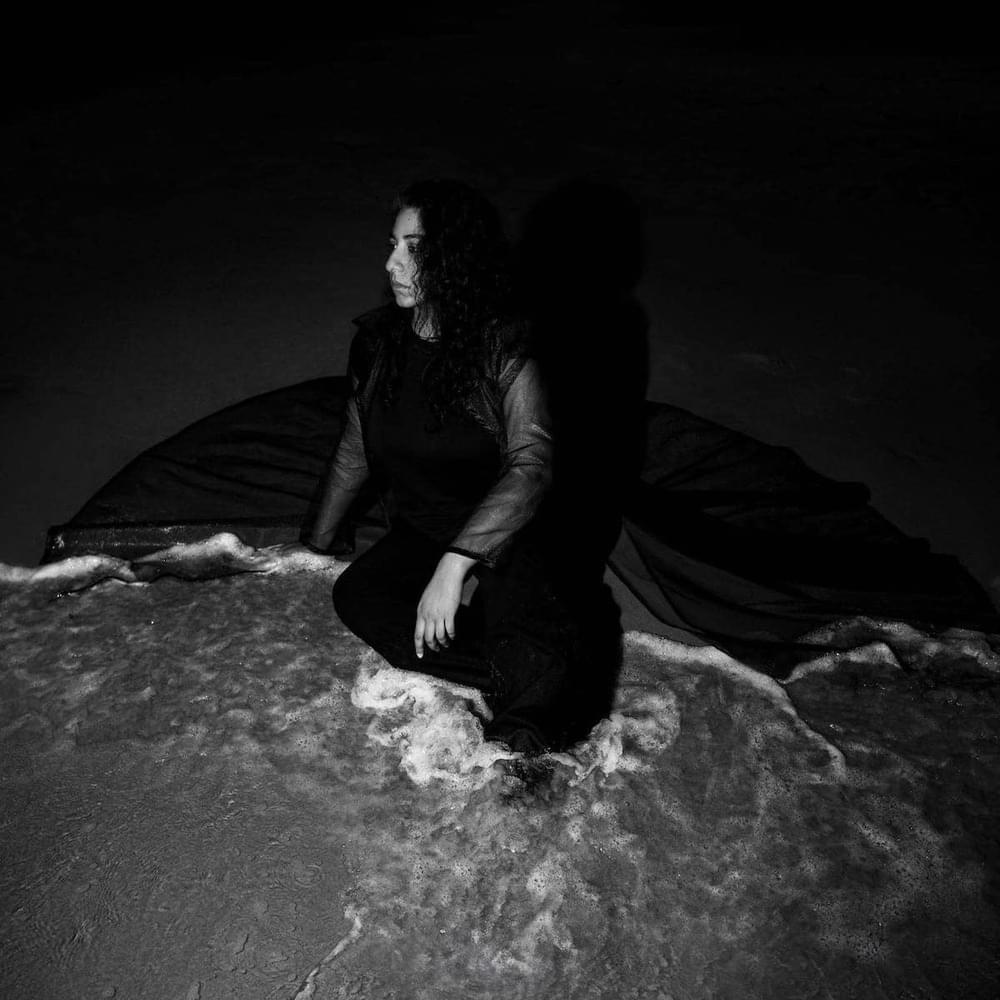
Arooj Aftab's spectral voice, here intertwined with Fujii Kaze's live performance, doesn't simply sing "Autumn Leaves"; she inhabits it. This isn't a straightforward rendition of the standard. It's a ritual, a summoning of memory through the melancholic imagery of seasonal decay. The lyrics, stark in their simplicity, paint a portrait of loss acutely felt. The 'falling leaves of red and gold' aren't just picturesque; they're a metaphor for the fading warmth of a relationship, the vibrant colors of summer memories now decaying into the muted tones of autumn.
The emotional core of the song resides in the lingering presence of the absent lover. The 'summer kisses' and 'sunburned hands' are sensory anchors, grounding the abstract concept of loss in the tangible realm of physical intimacy. The repetition of 'But I miss you most of all, my darling, when autumn leaves start to fall' underscores the cyclical nature of grief. It's not a singular event but a recurring wave, triggered by the visual cues of the changing season. Aftab's delivery, imbued with a quiet intensity, amplifies this sense of perpetual longing.
What elevates this interpretation beyond a typical love song is the undercurrent of psychological realism. The lyrics acknowledge the prolonged impact of separation ('Since you went away, the days grow long') and the anticipation of further emotional hardship ('And soon I'll hear old winter's song'). It's an honest appraisal of the grieving process, recognizing that loss isn't neatly resolved but rather revisited with each passing season. Aftab's performance, in this context, becomes an act of catharsis, a way to navigate the enduring ache of absence through the shared language of music.