Song Meaning
The lyrics paint a stark picture of urban decay and simmering resentment, personified by the "stadsindiaan" (city Indian) witnessing a sunset over a martial arts museum. This setting, juxtaposed with the idea of "koopwaar" (merchandise) from "vitrines van de afgunst" (display cases of envy), immediately establishes a tone of discontent and observation. The imagery of a man being arrested by martial artists further underscores a sense of societal control and conflict.
The central tension arises from the contrast between outward order and underlying chaos, or perhaps a planned disruption. The repeated image of the "ruïnes van de afgunst" suggests that envy has led to destruction, a theme amplified by the chorus's call to "Houd de gendarmes van de straat / Met alle charmes van de haat" (Keep the gendarmes off the street / With all the charms of hate). This line is particularly striking, suggesting a perverse affection or skillful manipulation of hatred as a tool to maintain a certain order, or perhaps to incite disorder.
The lyrics employ a powerful, almost primal, call to action in the verses and hook: "Van niks gaat het roken / Dansende bedrijvigheid / Waar rook is zal vuur zijn / Houd de brand stokt uit de auto's - Stook de brand!" (From nothing it starts smoking / Dancing activity / Where there is smoke there will be fire / Keep the fire out of the cars - Stoke the fire!). This sequence builds from a subtle beginning to an explicit incitement, linking the abstract concept of envy to tangible acts of rebellion or destruction. The bridge offers a fleeting moment of calm, "Daar wordt een brand geblust / Geef ik een ogenblik rust" (There a fire is extinguished / I give a moment's rest), before the imperative to "Stook de brand!" returns with full force.
What makes these lyrics resonate is their raw, almost nihilistic energy. The writing doesn't shy away from the destructive impulse, framing it as a response to perceived envy and societal control. The direct, imperative commands create a sense of urgency and participation, drawing the listener into the narrator's confrontational worldview. The cyclical nature, from observation to incitement and back, leaves a lasting impression of unresolved tension and the ever-present threat of combustion.
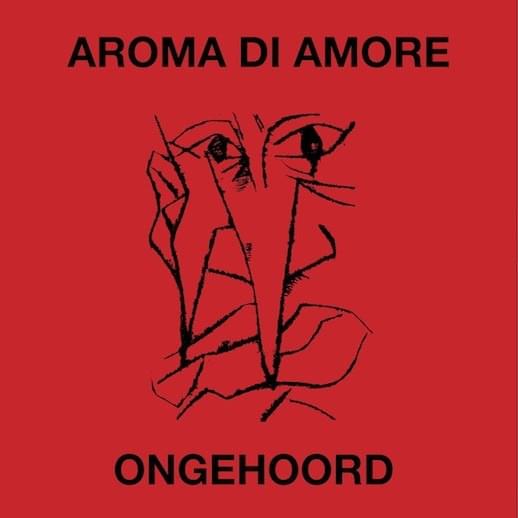
 View Artist