Song Meaning
The narrator paints a picture of a secluded, idyllic life, marked by natural beauty and simple domesticity. Her hut is nestled deep in a thicket, beside a clear brook and a garden plot, a place of quiet routine where she spins and sings. This peaceful existence, however, is overshadowed by a profound sense of longing and unrequited affection. The repeated refrain, "My heart's best beloved he... not," underscores a central tension: the contrast between the richness of her inner world and the beloved's apparent indifference.
This emotional disconnect is amplified by specific, almost ritualistic details. She describes her solitary walks to an "old, old well" and a hidden spring, a place rumored to inspire love in those who drink from it. Yet, even this potent source of affection is untouched by her beloved. The lyrics suggest a deep yearning for connection, a desire for the beloved to engage with the world she cherishes and, by extension, with her. The repetition of "he hears me not" and "he takes it not" emphasizes his absence from her emotional landscape.
The most striking element is the subtle shift in the final stanza. While the beloved "dieth not," a phrase that initially seems to suggest his enduring presence or strength, it carries a chilling implication in context. It implies he is not affected by love's longing, that he remains unmoved by the very force that consumes the narrator. This final line transforms the beloved from merely indifferent to something almost tragically static, highlighting the narrator's profound isolation and the unbridgeable gap between their experiences of love.
The effectiveness of these lyrics lies in their delicate portrayal of unspoken sorrow. The narrator doesn't directly confront the beloved; instead, her pain is woven into the fabric of her surroundings and her daily rituals. The contrast between the vibrant, sensory details of her life – the green corn, the scent of roses, the milk-white stone – and the beloved's persistent lack of response creates a powerful emotional resonance. It's this quiet, persistent ache, amplified by the stark finality of his unchanging state, that makes the narrator's longing so palpable.
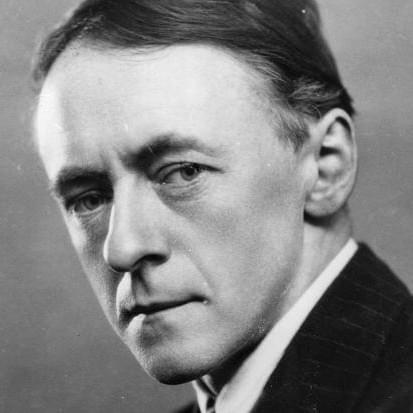
 View Artist