Song Meaning
This track opens with a disarming childhood memory, revealing a profound desire for external validation. The narrator, as a young girl, didn't seek divine intervention for faith, but for God's belief in *her*. It's a poignant twist on prayer, highlighting an early yearning for affirmation. This sets up a powerful tension between perceived divine indifference and a desperate need to be seen and validated.
The core of the narrative seems to be a rejection of delayed gratification, a demand for immediate fulfillment. The narrator questions why beauty and glamour should be reserved for an afterlife, asserting a right to experience them now. This impatience is met with a seemingly whimsical divine compliance: "And God was in a good mood." This phrase injects a surreal, almost absurd element, suggesting that the narrator's fervent desire, perhaps more than genuine piety, somehow swayed a benevolent deity.
The abrupt inclusion of "Fifi" and "Pou Pou" at the end functions as a striking, almost jarring, conclusion. These names, often associated with small, pampered dogs or perhaps even a childlike, nonsensical utterance, serve as a stark contrast to the grand pronouncements about God, heaven, glamour, and beauty. They could represent the triviality that the narrator embraces, or perhaps the specific, concrete manifestations of the "glamour and beauty" she craves, stripped of any grander spiritual context. The lyrics suggest that the pursuit of immediate, tangible desires, even if seemingly superficial, can be a powerful, almost magical, force.
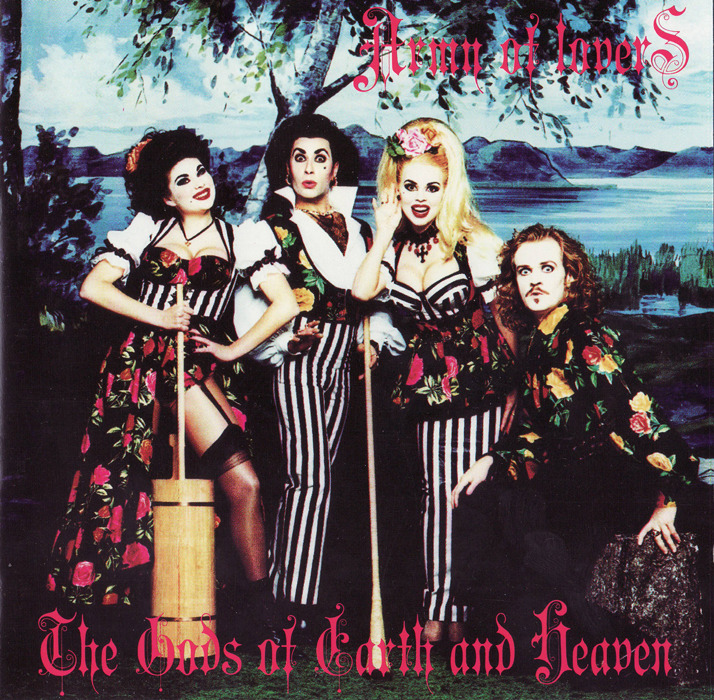
 View Artist