Song Meaning
This song paints a picture of an all-consuming, almost divine love. The narrator insists their love was so profound, it’s beyond the recipient's comprehension, even in dreams. It wasn't just a feeling; it was a total dedication, a life lived in the shadow of the beloved, to the point of existential surrender. The repetition of "Como yo te amé" acts as an insistent refrain, hammering home the unique and unparalleled nature of this affection. It suggests a love that defined their entire existence, encompassing life, death, and unwavering devotion.
The central tension lies in the narrator's acknowledgment of their love's overwhelming intensity, bordering on "exaggeration." Yet, this realization doesn't diminish the sincerity or the depth of feeling. Instead, it highlights the inherent difficulty in conveying such a magnitude of emotion to someone who hasn't experienced it. The lyrics suggest that understanding this love requires a reciprocal, equally intense falling in love, a feat the narrator doubts the other person is capable of.
The most striking aspect is the framing of this love as a singular, unrepeatable verb. "Es verbo que jamás podré volver a repetir" elevates the act of loving to something monumental, a unique conjugation of the soul that cannot be replicated. This linguistic choice emphasizes the finality and the absolute nature of their past devotion, setting it apart as a singular event in their life, forever etched in memory but impossible to reenact.
Ultimately, the song's power comes from its raw, almost desperate assertion of a love that transcends ordinary experience. It’s a declaration of a love so vast it becomes almost a burden to the narrator, a testament to a past self that poured everything into another. The inability to be understood, coupled with the certainty of its unparalleled depth, creates a poignant, melancholic beauty that resonates with anyone who has ever loved fiercely and felt that intensity was somehow incommunicable.
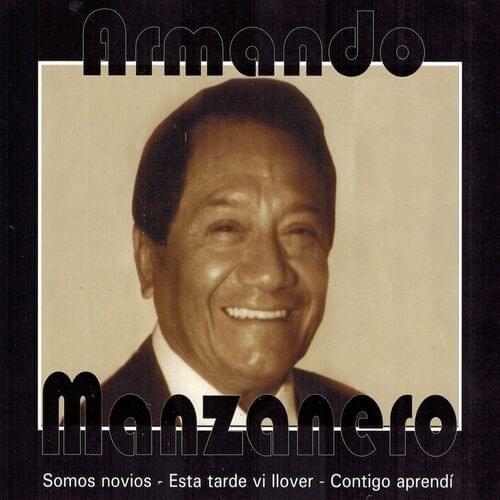
 View Artist