Song Meaning
The lyrics paint a poignant picture of lingering love and the quiet ache of absence, anchored by the recurring figure of a flower vendor. This unnamed "señor" serves as an unwitting witness to the narrator's heartbreak, his simple questions about the absent "you" highlighting the narrator's inability to lie about the separation. The act of buying flowers, once a shared ritual, becomes a painful reminder, as the narrator confesses he hasn't bought them again since the departure.
The emotional core lies in the contrast between the vibrant past and the desolate present. The narrator recalls a shared path where nature itself seemed to celebrate their union – birds singing, trees bowing. Now, that same path is rendered "triste" (sad) because the "you" is no longer there to witness its beauty. This personification of nature amplifies the depth of the loss, suggesting that even the world feels diminished without the beloved.
The most striking craft element is the cyclical nature of the narrator's pain, tied directly to the flower vendor. The señor's initial inquiry and later attempt at consolation, offering hope that "mañana volverás" (tomorrow you will return), are directly linked to the narrator's ability to buy flowers again. This creates a subtle but powerful connection: the return of the beloved is the only thing that can restore the simple act of purchasing flowers, and thus, the narrator's ability to engage with the world and its well-wishers.
This lyrical structure makes the song deeply effective by grounding abstract grief in concrete, everyday interactions. The flower vendor isn't just a plot device; he represents the external world's gentle persistence and the narrator's internal struggle to move on. The repeated phrase "Aquel señor" emphasizes his constant presence, a quiet echo of the narrator's own enduring feelings, making the pain feel both personal and observed.
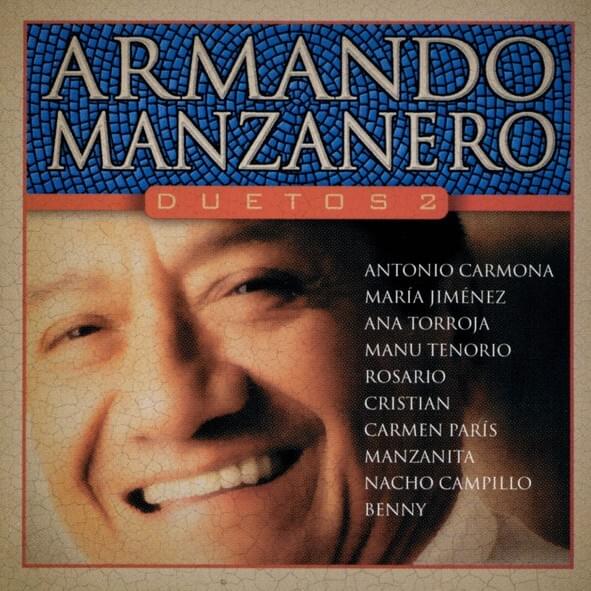
 View Artist