Song Meaning
The lyrics paint a stark picture of disillusionment, starting with a cosmic, almost geological transformation of the world: "See the ocean turn to sand / And the sand become a crust." This sets a tone of profound change and perhaps decay. The narrator then shifts to a personal "you and I," suggesting a shared experience or observation of a world that feels constructed and oppressive, where conformity is demanded: "Living in a world they've made / Got you on your knees / To conform and to obey." This initial setup establishes a sense of being trapped.
The core tension arises from the realization that this oppressive reality might not be as solid as it seems. The recurring chorus, "Under winter skies / I realise / This life is just a dream / A fantasy," introduces a powerful, almost nihilistic, but also potentially liberating perspective. The "winter skies" themselves, often associated with bleakness or the end of a cycle, become the backdrop for this epiphany. It suggests that the rigid structures and demands of the "world they've made" are ultimately illusory, like a dream.
The most striking element is the call to action that follows this realization. If life is a dream, then the constraints are also dream-like. The lyrics urge a radical break from this imposed reality: "Break the shackles, break the chains / Seize the day, my friend." This isn't just about passive acceptance of the dream; it's an invitation to actively shape or escape it, even if it means embracing a destructive freedom: "Fly into the sun / Burn your wings and live so free." The choice is to "Chose the dream until you die," implying a commitment to this chosen, perhaps chaotic, existence over the mundane, enforced reality.
This lyrical arc is effective because it moves from a sense of overwhelming external control to an internal, defiant liberation. The contrast between the imposed "world they've made" and the self-chosen "dream" is potent. The imagery of cosmic transformation and the starkness of "winter skies" lend a grand, almost existential weight to the personal plea to "break the chains" and "seize the day," making the call to radical freedom feel both urgent and deeply personal.
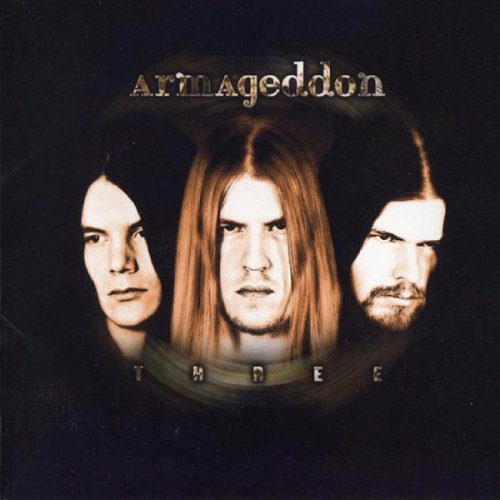
 View Artist