Song Meaning
The lyrics paint a picture of a profound, almost mystical encounter with a figure who appears in dreams and calls out from nature. Initially, this presence is elusive, her face hidden in streams and her voice disguised as the wind. This sets a tone of mystery and subconscious yearning, where the narrator is being summoned by something deeply felt but not yet fully understood. The recurring chorus, "Wake up, wake up, wake up dead," is a stark, paradoxical command that immediately grabs attention, suggesting a transformation that requires a surrender of the old self.
The central tension lies in the narrator's journey from a state of confusion and self-deception to one of stark exposure and clarity. The "countless veils" worn like clothes represent the defenses and illusions the narrator had constructed, which have now been shed. This stripping away is not gentle; it's a forced awakening, implied by the "wake up dead" refrain, suggesting that shedding these layers means a death of the previous, perhaps comfortable, but inauthentic, existence. The narrator stands "exposed," a vulnerable but honest state.
The most striking craft element is the paradoxical nature of the chorus and the core message. The idea that "the death of what's dead is the birth of what's living" is a powerful redefinition of life and death. The figure's wisdom is distilled into "three simple words" that "brought it all home," emphasizing the power of essential truths over complex explanations. This suggests that true awakening isn't about accumulating knowledge but about a fundamental shift in perception, a death of the false self to allow a truer life to emerge.
This lyrical construction is effective because it taps into a universal human experience of confronting one's own illusions and the often-uncomfortable process of self-discovery. The contrast between the ethereal, dreamlike initial encounters and the blunt, paradoxical command of the chorus creates a compelling emotional arc. The lyrics suggest that genuine living requires a radical letting go, a "death" of the self that is no longer serving truth, making the listener question their own perceived awakenings and the veils they might still be wearing.
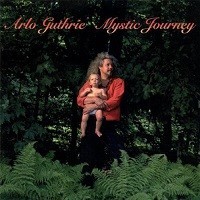
 View Artist