Song Meaning
The narrator is drowning in the superficiality of city life, finding no solace in its supposed allure. The "big city lights" and "glamour" are presented as hollow distractions, a stark contrast to the genuine comfort of home. Every dream pulls them back to a specific place: "my home on the old river shore," a powerful image of belonging that the current surroundings can't replicate. This longing isn't just for a place, but for a feeling of peace that seems lost.
The core of the song is a profound homesickness, amplified by a pervasive loneliness. The repetition of "Miss the Mississippi and you" anchors this feeling, linking the geographical location with a specific, cherished person. The world outside the Mississippi feels "dark and dreary," and "nothing seems to cheer me," highlighting how the absence of both the place and the person creates an emotional void. The narrator is "always alone and blue," underscoring the isolation of their current existence.
The lyrics masterfully use sensory details to evoke the lost home. "Mocking birds are singing 'round the cabin door" paints a vivid, idyllic picture, a sharp counterpoint to the vague "sights" of the city. The "muddy water shore" is a specific, tactile image that grounds the abstract concept of home. These concrete memories serve to intensify the pain of their absence, making the "happy days of yore" feel both precious and impossibly distant.
Ultimately, the song's power lies in its directness and the palpable ache of longing. The simple, repeated refrain acts like a mantra of sorrow, emphasizing that the narrator's weariness stems from a deep-seated disconnect. The contrast between the glittering but empty city and the remembered warmth of home and a loved one creates a universally understood feeling of yearning for what has been left behind.
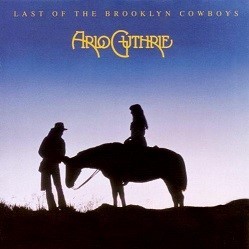
 View Artist