Song Meaning
The lyrics open with a stark image: a newborn's first cry isn't just a sound, but a "brado de guerra," a war cry. From the very first breath, existence is framed as an immediate, unavoidable battle. This sets a somber, determined tone for a life destined for struggle.
The central tension quickly emerges as life itself is depicted as a relentless "guerra do cotidiano," a daily war. The individual is born a "soldado," a soldier, into a world where the law is simply to "nascer, lutar e morrer" – to be born, fight, and die. This cyclical, almost fatalistic view suggests that struggle isn't an exception, but the inherent condition of being.
A powerful craft element is the relentless repetition of "chora" (cries), woven throughout the narrative of birth, battle, and disappointment. This recurring lament underscores the pervasive sorrow and effort required just to exist. Furthermore, "o dia de amanhã" – tomorrow – isn't a promise but a "rival permanente," an eternal opponent, personifying the future as an endless, adversarial challenge. The world is a "mundo cão," a dog-eat-dog place where one is "Buscando sim, achando o não" – seeking yes, but often finding no.
These lyrics are effective because they tap into a universal sense of life's inherent difficulties, portraying existence not as a gentle journey but as a demanding fight. The vivid war imagery and the personification of time as an enemy resonate deeply, making the struggle feel both personal and epic. The concluding lines, which declare each life a destiny and each destiny a cross, powerfully distill this message into a concise, almost proverbial statement about the burdens we all carry.
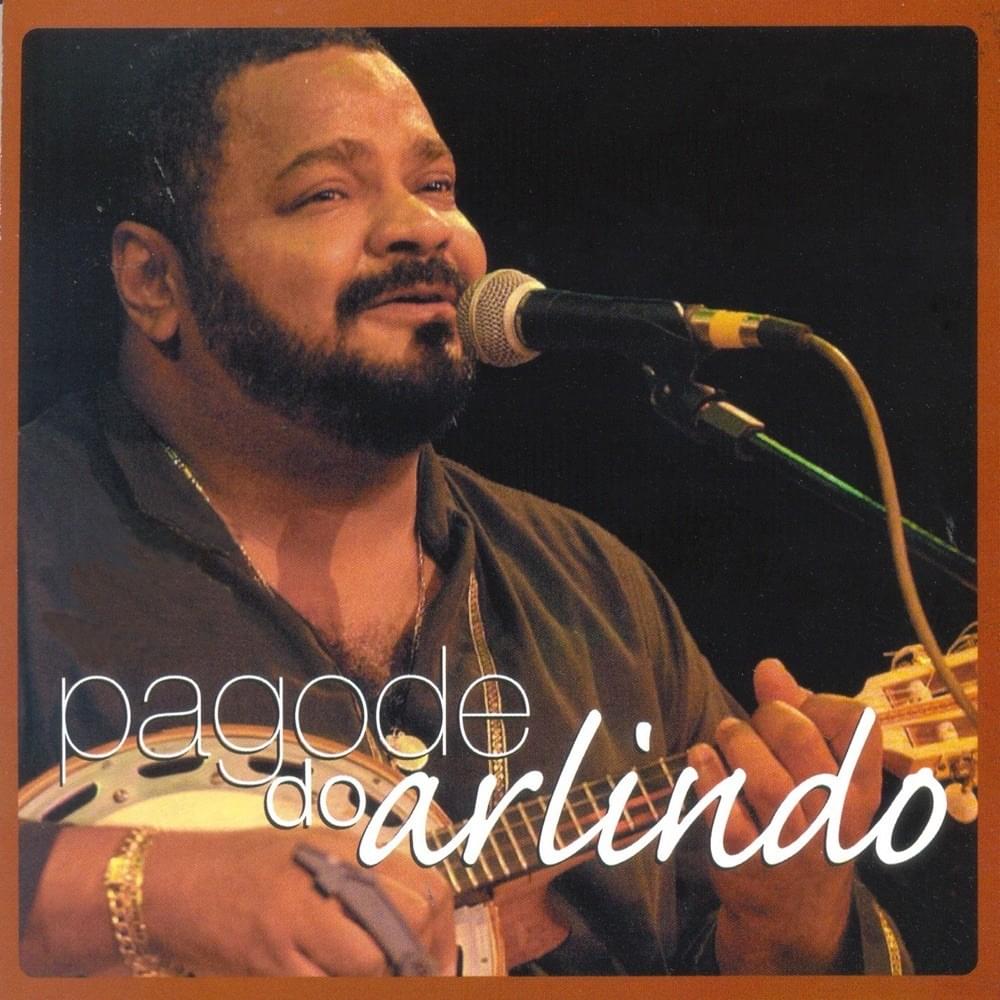
 View Artist