Song Meaning
The lyrics paint a stark picture of a final departure, a resolute farewell to a city and perhaps a relationship. The insistent plea, "Don't tell me she'll return," sets a tone of weary finality. The recurring image of "shachar afor" – a gray dawn – underscores a bleak, unromanticized transition, a stark contrast to the vibrant imagery often associated with new beginnings. This isn't a hopeful sunrise; it's a somber, almost suffocating, light.
The central tension lies in the narrator's irreversible decision to leave, despite the lingering presence of a past connection. The city's "streetlights whisper and die," mirroring a fading vitality, while the narrator's own eyes are compared to "midnight lamps." This juxtaposition suggests a deep, perhaps melancholic, internal illumination that contrasts with the external decay. The repeated phrase "she'll return" is not a hopeful prediction but a desperate denial of the possibility, emphasizing the narrator's commitment to moving on.
The lyricist masterfully employs repetition and sensory detail to build this atmosphere of melancholic finality. The cascading "lamps, lamps, lamps" and "beads, beads, beads" create a hypnotic, almost suffocating effect, drawing the listener into the narrator's internal state. The "gray dawn" is not just a time of day but a pervasive mood, staining the windows and reflecting in the "crying eyes" of puddles. The comparison of braided hair to "snakes, snakes, snakes" adds a touch of primal unease, suggesting a hidden danger or a seductive but ultimately destructive force being left behind.
Ultimately, the power of these lyrics stems from their unflinching portrayal of a painful but necessary severance. The imagery is consistently somber, from the dying streetlights to the weeping puddles, creating a palpable sense of loss that is nonetheless framed by the narrator's firm resolve. The repeated "gray dawn" becomes a potent symbol of this transition – an end to darkness, yes, but not yet the arrival of light, just a stark, clear-eyed acknowledgment of what must be left behind. The final "Goodbye, goodbye to this city" is not spoken with anger, but with a profound, quiet acceptance of the irreversible.
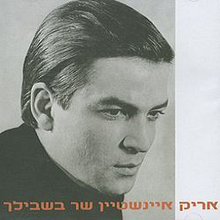
 View Artist