Song Meaning
The lyrics paint a picture of profound distance, both literal and emotional. The repeated phrase "רחוק, רחוק מכאן" (far, far from here) immediately establishes a sense of longing and separation. We're presented with fragmented images: a distant house, doves flying overhead, a girl by a window, all existing in this faraway space. This creates a hazy, dreamlike atmosphere, where the narrator is contemplating a place that might be their home, or perhaps a home they once knew.
The central tension lies in the narrator's uncertain connection to this distant place. They question if it's their own house, leading their heart to wander "far, far from here." There's a poignant suggestion of abandonment or loss, with the possibility of a "child wandering far." The imagery shifts to a destroyed house and a forgotten path, amplifying the feeling of irreversible separation and the narrator's own vast distance from any sense of belonging.
The most striking aspect of the writing is the relentless repetition of "רחוק, רחוק מכאן." This isn't just a statement of distance; it becomes an incantation, a mantra that emphasizes the overwhelming nature of the separation. The structure, with its series of "אולי" (perhaps) clauses, builds a sense of wistful speculation, a desperate attempt to grasp onto a fading memory or a hypothetical connection to a place that feels increasingly unattainable. The final lines, reiterating the idea of it being "my house" and the heart wandering, circle back to the initial longing, highlighting the enduring pain of this vast distance.
This lyrical construction is effective because it mirrors the feeling of being adrift. The ambiguity of the "perhaps" and the constant refrain of distance create a palpable sense of yearning and displacement. The listener is left with the emotional weight of this separation, understanding the deep ache of a home that is both intensely desired and seemingly lost forever, a feeling amplified by the simple, yet powerful, lyrical device.
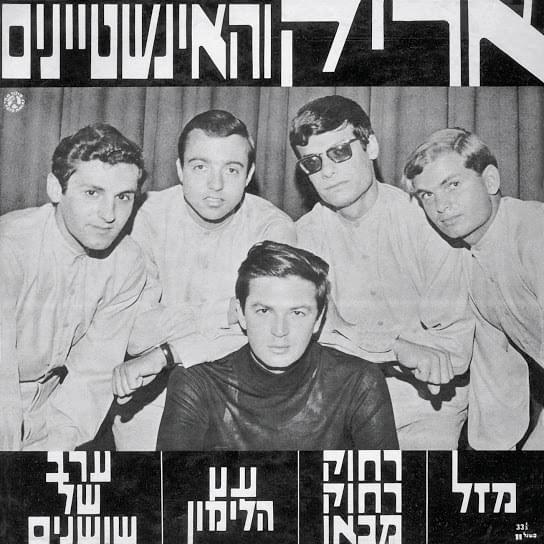
 View Artist