Song Meaning
These lyrics trace a life lived, from childhood lessons to mature reflection. A father's early advice about a beautiful but inedible lemon tree sets the stage. The narrator, now older, looks back on a youth filled with loves and a tendency to forget that initial wisdom.
The central tension lies between the father's absolute warning – the lemon is lovely but "אי אפשר, לא אי אפשר" (it's impossible, no, it's impossible) to eat – and the narrator's youthful pursuit of pleasure. He admits his "אהבתי פרחה תמיד בצל הלימונים" (love always bloomed in the shade of the lemon trees), suggesting a period of carefree, perhaps indiscriminate, romantic dalliances. This heedlessness meant he "שכחתי לפעמים מה אבא לי אמר" (sometimes forgot what my father told me).
The most striking craft element is the evolving metaphor of the lemon tree itself. Initially a symbol of strict, perhaps bitter, truth, it later becomes a backdrop for fleeting loves. In old age, the imagery shifts profoundly: "פרחי הלימונים נשרו, נשאר לימון אחד" (the lemon blossoms fell, one lemon remained). This poignant image suggests that many loves have faded, leaving only one enduring relationship, presumably with his wife.
What makes these lyrics so effective is the subtle, yet powerful, twist in the repeated chorus. After a lifetime of experience, the narrator, now wise from his "ניסיוני המר" (bitter experience), offers his own modified advice to younger generations. He concludes that while the lemon remains beautiful and fragrant, "כן, אפשר עם קצת סוכר" (yes, it's possible with a little sugar). This final line isn't a rejection of the father's wisdom, but a nuanced, pragmatic understanding that life's inherent bitterness can be navigated and even enjoyed with a touch of compromise or learned sweetness.
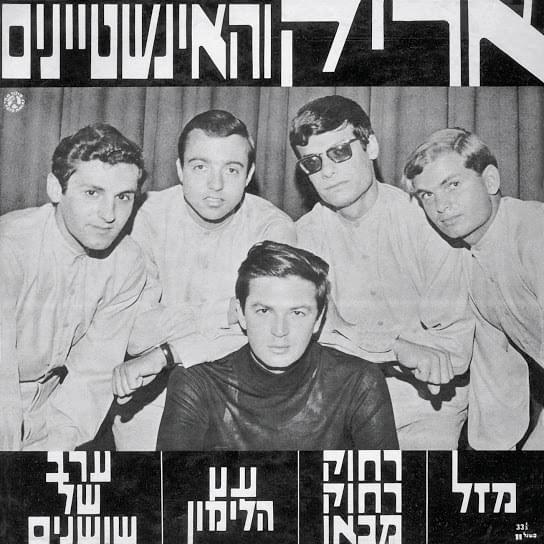
 View Artist