Song Meaning
The lyrics paint a vivid picture of a man consumed by an illicit love, so much so that his obsession becomes a public spectacle. He identifies himself as the one who "walked with you in the market," a simple act that draws the attention and gossip of onlookers. These women, upon seeing him, immediately point and whisper, "Here he is, in love with his neighbor's wife." This repeated observation establishes the central conflict: his desire is not hidden, but rather a source of public commentary.
The narrator's internal state is laid bare through his actions and the reactions he provokes. He carries a basket "full of greens and fruit," a mundane task that becomes charged with his emotional burden. He imagines that everyone he meets is commenting on the object of his affection, seeing her beauty and thus understanding his infatuation. This suggests a mind so preoccupied that it projects his own feelings onto the world, seeking validation or perhaps just acknowledging the overwhelming nature of his feelings.
The most striking aspect is the narrator's almost detached, yet intense, self-awareness of his own predicament. He repeats, "I am he who carried your basket," and the women "yesterday saw him, today saw him." This repetition underscores the persistent nature of his love and the public's awareness of it. The phrase "He is still in love with his neighbor's wife" becomes a refrain, highlighting the unchanging, perhaps inescapable, grip of this forbidden desire.
What makes these lyrics so effective is their raw portrayal of an all-consuming, socially condemned love. The contrast between the ordinary setting of the market and the extraordinary intensity of the narrator's feelings creates a powerful tension. The lyrics don't shy away from the shame or the obsession, instead presenting it directly through the narrator's own voice and the public's pointed observations, making his emotional state palpable and unforgettable.
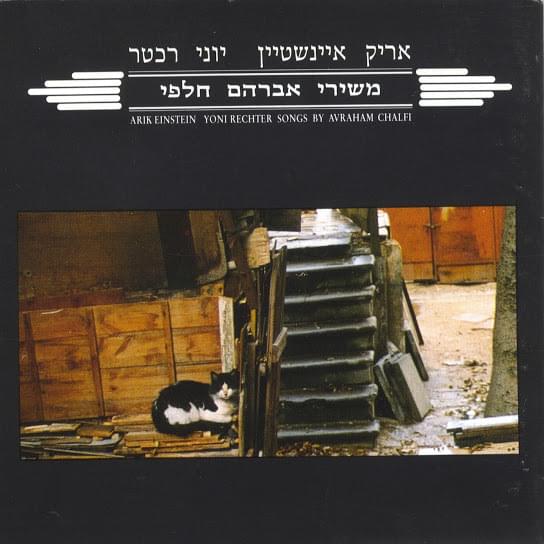
 View Artist