Song Meaning
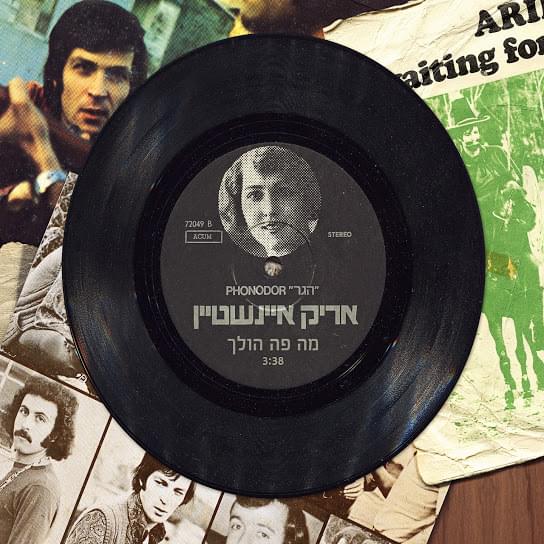
The lyrics paint a picture of rapid, unpredictable emotional and physical shifts. The narrator cycles through intense feelings like anger and joy, or states of hunger and fullness, all punctuated by the recurring, bewildered question, "מה פה הולך?" (What's going on here?). This constant oscillation suggests a feeling of being out of control, tossed about by internal tides without a stable center. The repetition emphasizes the disorienting nature of these sudden changes.
The central tension arises from this very unpredictability. The narrator experiences extremes – "מאד כועס" (very angry) then "שמח" (happy), "לא הולך בכלל" (not going at all) then "קולח" (flowing). This isn't a gradual mood swing but an abrupt flip, leaving the narrator questioning the underlying cause or logic. The feeling is one of being a passenger in one's own experience, unable to steer or anticipate the next turn.
The bridge introduces a fascinating layer of self-awareness and communal identity. The narrator admits to "בורח אבל לאט" (running away but slowly), a subtle acknowledgment of trying to escape this chaotic state. The realization that "כולנו רק בשר ודם" (we are all just flesh and blood) and the repeated "כמו כולם" (like everyone else) suggests a struggle to reconcile personal turmoil with a shared human condition. The phrase "יש לי ואין לי" (I have and I don't have) perfectly encapsulates this paradox of possession and loss, of having experiences but lacking control over them.
This lyrical structure is effective because it mirrors the feeling of disorientation it describes. The rapid-fire contrasts and the insistent, questioning refrain create a sense of unease and confusion for the listener. The bridge offers a moment of reflection, but the lingering "יש לי ואין לי" leaves the listener with the same sense of unresolved paradox that the narrator grapples with, making the emotional core of the song resonate deeply.
 View Artist