Song Meaning
These lyrics drop us into a specific Norwegian youth, marked by casual defiance and a mother's persistent wisdom. We see a world of hidden money and perceived coolness, contrasted with the stark realities of growing up. It's a raw, reflective snapshot of formative years.
The central tension emerges from the narrator's environment and self-perception. While "I Bærum hadde alle penger, alle kids var coole," the narrator admits to not having "penger til en scooter," hinting at a subtle class divide even within a seemingly affluent area. This economic pressure appears to fuel a shift, as the narrator "Begynte å putte vits som scooteh," suggesting a clever, perhaps illicit, hustle that leads to "Ti små poser" and "Penger under puta."
Craft-wise, the lyrics effectively use repetition and contrast to underscore their themes. The recurring line, "Mamma sa det må regne før du ser solen," acts as a grounding proverb, a timeless piece of wisdom that cuts through the youthful bravado. This maternal voice stands in stark opposition to the narrator's youthful arrogance, who felt "Smartere enn lærerne." The repeated phrase "Penger under puta, trodde vi var coole" further highlights this internal conflict, suggesting a retrospective awareness of a perceived coolness that might have been a delusion.
Ultimately, the lyrics resonate by capturing the complex blend of youthful rebellion, self-sufficiency, and the enduring influence of parental guidance. The specific imagery of hidden money and school-day indifference, juxtaposed with the mother's profound advice, creates a vivid and emotionally charged portrayal of a past where perceived freedom clashed with an underlying, hard-earned wisdom.
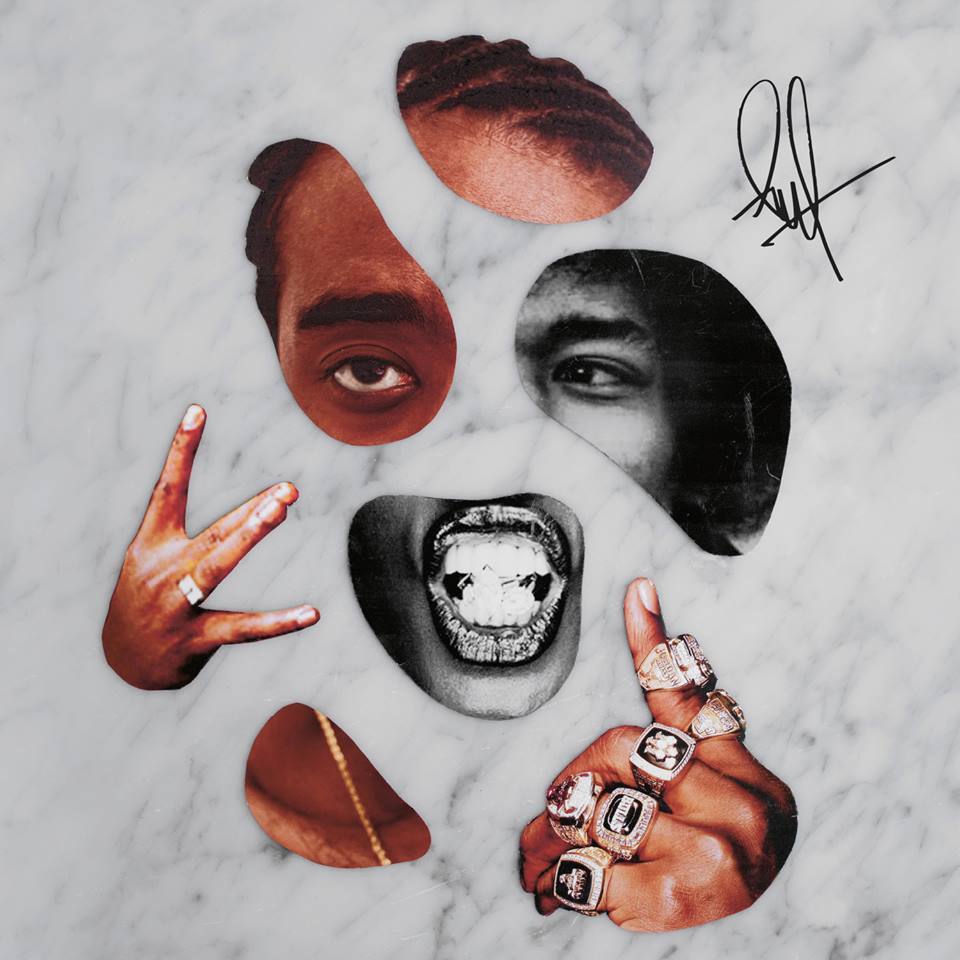
 View Artist