Song Meaning
The lyrics paint a stark picture of a hunter's fruitless day, setting a somber tone from the outset. He rises at five, ventures into the forest with his bow, and wanders until evening, finding neither prey nor sustenance. The narrator is consumed by hunger and thirst, his spirit broken, leading him to return to the village defeated and dejected. This initial scene establishes a mood of desperation and failure that permeates the narrative.
The narrative takes a sharp, unsettling turn with the appearance of two swans by the river. Despite their beauty and apparent affection, the hunter immediately shoots one. This act of violence, seemingly unprovoked and driven by his own frustration, introduces a profound moral ambiguity. The immediate aftermath is the hunter falling asleep, his rest disturbed by a strange dream, hinting at the unnatural consequences of his actions.
The dream sequence introduces a supernatural element, with a distressed maiden appearing, holding a feather from the slain swan. Her tearful lament, "What sin, what transgression, my white beloved?" directly implicates the hunter and reveals the swan was no ordinary bird. The maiden's plea for him to go to the river tomorrow suggests a curse or a plea for understanding, deepening the mystery and the emotional weight of the hunter's deed.
The lyrics then shift perspective to the remaining swan, described as delicate and white. This swan witnesses the hunter approaching and, in a moment of profound grief and self-sacrifice, tears at its own flesh before diving into the water, disappearing into the hunter's shadow. This act of extreme sorrow and symbolic death underscores the tragic impact of the hunter's violence, leaving the world silent and desolate, a powerful testament to the irreversible consequences of his actions.
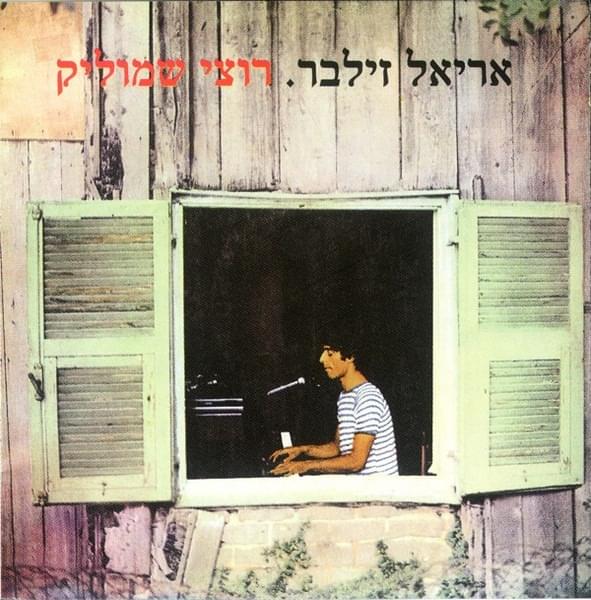
 View Artist