Song Meaning
The narrator is stuck in a state of profound inertia and unrequited affection. They describe a daily existence of quiet desperation, "living with myself today" with "barely anything to say." This isn't just a bad mood; it's a paralyzing condition, a self-imposed "doldrums" where problems loom large but remain utterly unaddressed. The core of this stagnation seems to be a one-sided love, a painful imbalance where the narrator's devotion is met with absence.
The central tension arises from the contrast between the narrator's internal paralysis and their idealized vision of the beloved. They fantasize about "leaving on a train today," a desire for escape and action, but reality anchors them "staying in my room today." This inaction is explicitly tied to their feelings: "And I'm living it for you too / No you can go do anything / Cuz I love you." The narrator's own life is held captive by the beloved's freedom and their own unreturned affection.
The lyrics powerfully employ the metaphor of the "doldrums" not just for stillness, but for a sickness born of that stillness: "Making me ill from being so still." This is amplified by the striking self-description as "just a killer / Who can't kill anything." This phrase encapsulates the narrator's frustration – a potent, destructive energy that has no outlet, unable to even "kill" the feelings or the situation that bind them. It's a potent image of frustrated agency.
This emotional landscape is effective because it grounds abstract feelings of helplessness and unrequited love in concrete, relatable images of stillness and inaction. The repetition of "the doldrums" hammers home the pervasive nature of this state, while the "killer who can't kill" provides a sharp, almost darkly humorous, articulation of internal conflict. The lyrics capture that specific ache of loving someone who doesn't love you back, leaving you feeling both intensely alive with emotion and utterly deadened by circumstance.
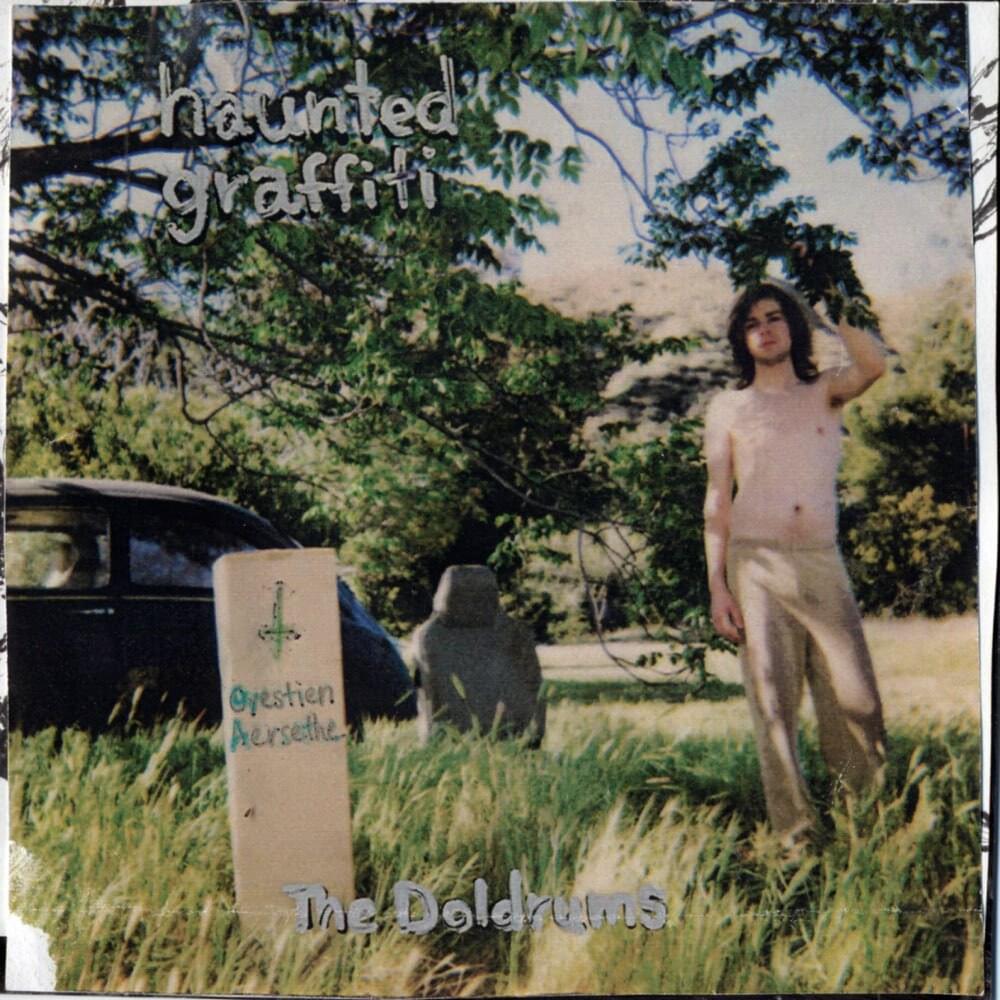
 View Artist