Song Meaning
The lyrics paint a disorienting picture of a mind invaded, where external reality blurs with internal turmoil. The opening lines, "Who knocks at the door? / It's the window in my mind," immediately establish a sense of psychological intrusion, suggesting that what arrives is not a physical visitor but a mental manifestation. This is amplified by the visceral image of "The red of your face / Is just as red as my fingers," linking the emotional intensity of another person's distress or anger to a physical, almost self-harming, sensation in the narrator. The question "Where do little girls go / When they run from home?" hints at a narrative of lost innocence or escape, adding a layer of vulnerability and perhaps regret.
The central tension revolves around a desperate plea for validation or a stark ultimatum: "Love me or tell it to my heartbreak." This highlights a fragile emotional state, where love is the only acceptable outcome, and its absence is equated with profound suffering. The dismissal of "Carolyn" as "just another pretty face" suggests a pattern of superficial connections or perhaps a projection of the narrator's own disillusionment onto others. The recurring phrase "Strange fires" acts as a potent, albeit abstract, motif, evoking a sense of dangerous, uncontrollable passion or destructive energy that permeates the narrator's internal landscape.
The most striking element is the transformation of the narrator's self-perception. Initially presented as a passive recipient of mental intrusion, the lyrics shift dramatically with "And this time / I'm a killer inside." This internal declaration suggests a dangerous evolution, a conscious embrace of destructive impulses or a profound shift in agency, fueled by the "strange fires." The repetition of "strange fires" reinforces this consuming force, while the later lines "Caught with the crosses / We begun to sleep" and "An evil sin, a product of a guilty me" further solidify a sense of moral reckoning and self-condemnation, even as the narrator claims a killer's identity.
Ultimately, the effectiveness of these lyrics lies in their raw, fragmented portrayal of psychological distress and moral conflict. The juxtaposition of external imagery with internal states, the stark ultimatum, and the unsettling self-identification as a "killer" create a potent, unsettling atmosphere. The ambiguity of "strange fires" allows for a broad interpretation of destructive forces, whether they be passion, obsession, or guilt, making the narrator's internal struggle feel both specific and deeply resonant in its depiction of a mind on the brink.
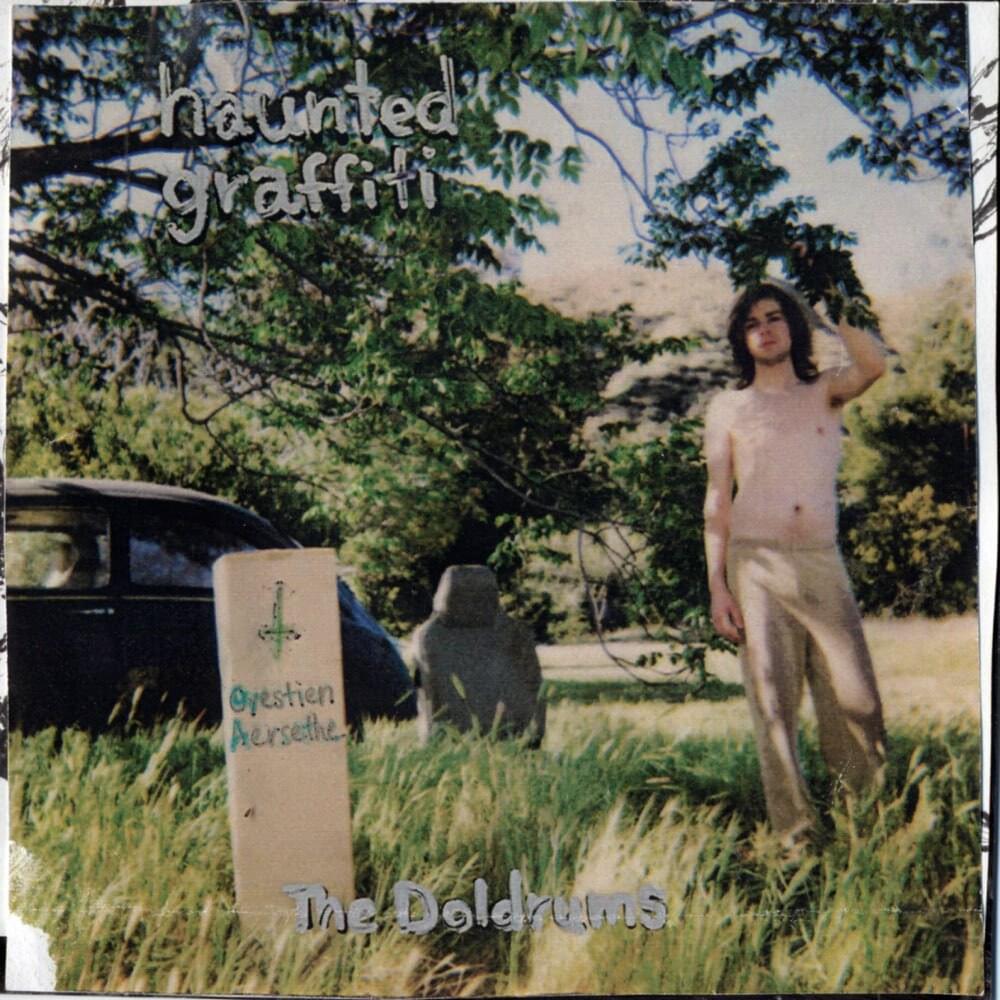
 View Artist