Song Meaning
The lyrics paint a vivid picture of a desperate nocturnal quest, beginning with a stealthy departure from a home. The narrator moves with a "weak and trembling voice," stepping "left right into the depth of the battle" to find their "wandering sleep." This isn't a literal war, but an internal struggle, a fight against an overwhelming force that has stolen peace.
The central tension lies in the narrator's intense, almost violent pursuit of rest. They "charge" into the "thick and heavy night" on "horses of pulse," determined to "return the lost son" or "my besieged sleep from hell." This imagery suggests a profound internal conflict, where sleep itself is a captive that must be rescued from a personal inferno.
The craft here is in the stark, almost militaristic language applied to an internal state. The narrator becomes a warrior, using a "sharp gaze" like an "arrow shot from a drawn bow" to confront the "pupil of the night." The contrast between the external imagery of battle and the internal need for sleep creates a powerful sense of psychological warfare.
This lyrical approach is effective because it externalizes an internal torment. The narrator's exhaustion is so profound that it requires a heroic, albeit internal, battle to achieve even a moment's respite. The final lines, revealing the recurring fall "always at the end of the dream," underscore the cyclical and inescapable nature of this struggle, leaving the listener with a sense of unresolved, deep-seated unease.
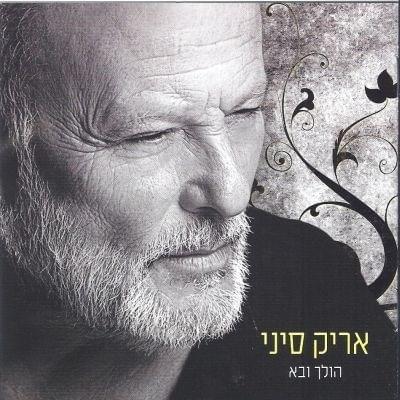
 View Artist