Song Meaning
The lyrics paint a stark picture of a relationship's painful end, framed by the repeated, almost taunting, command: "Retourne chez elle." The narrator acknowledges a lingering connection, noting "des étincelles" (sparks) and a "sourire en coin" (wry smile), suggesting a shared history and perhaps a reluctant parting. Yet, this tenderness is overshadowed by the narrator's perception of the other person's internal conflict and weakness, as they "tournes, t'es pas normal" (turn, you're not normal) and are "trop faible / Pour le dire à mes yeux" (too weak / To say it to my eyes).
The central tension lies in the narrator's forceful expulsion of the other person, despite the evident pain and lingering feelings. The phrase "Tu joues avec mon feu / Tu casses ma vie en deux" (You play with my fire / You break my life in two) reveals the destructive impact of this unresolved dynamic. The narrator's decision to "Je nous mets à la porte / Pour le mieux" (I put us out the door / For the best) is a desperate act of self-preservation, a final, sharp severance aimed at healing, even if it means inflicting more immediate hurt.
The most striking element is the stark contrast between the intimate observations of the other person's subtle cues – the smile, the awareness of pain – and the brutal finality of the narrator's actions. The repetition of "Je nous mets à la porte / Adieu" (I put us out the door / Goodbye) hammers home the irreversible nature of the decision. It’s a calculated, albeit painful, attempt to regain control by severing ties completely, even as the "étincelles" suggest a part of the narrator still feels the heat of what's being lost.
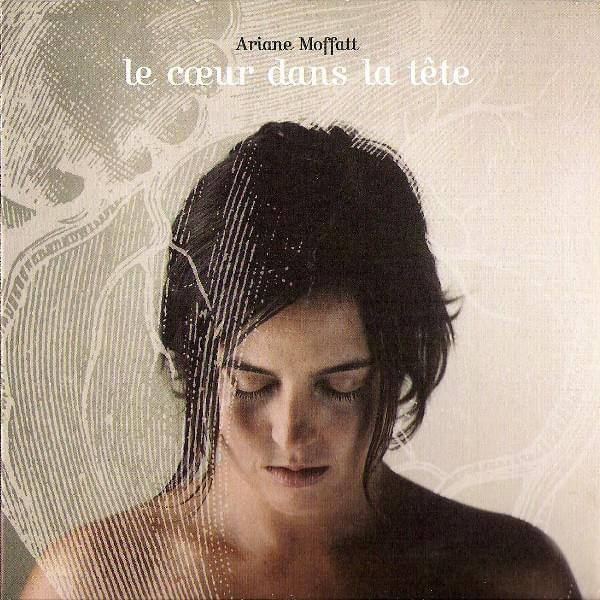
 View Artist