Song Meaning
The narrator is locked in a desperate struggle against the encroaching daylight, viewing their own eyelids as weapons, 'sabres,' meant to 'silence the macabre day.' This intense imagery immediately establishes a tone of profound weariness and aversion to the world outside. The repetition of 'combattre la lumière' (fight the light) underscores a persistent, exhausting battle against wakefulness itself.
The core tension lies in the pursuit of oblivion as the only escape. Sleep offers 'a few hours of respite,' a 'brief amnesia,' and a 'black-out' on a specific, troubling face. This isn't just about rest; it's about a temporary erasure of reality and a specific person, suggesting a deep pain or trauma that wakefulness exacerbates. The 'wild beast' lurking in the refrain hints at an internal struggle or a destructive impulse that sleep momentarily holds at bay.
The lyrics masterfully employ shifting metaphors to convey this mental state. Initially, eyelids are 'sabres,' but later, pupils become 'waves,' suggesting a passive dissolution rather than active defense. The idea that 'what seemed true yesterday has dissolved into sand' highlights the unreliability of perception when battling such exhaustion. The bridge further complicates this, presenting sleep's 'road' as the 'only freedom,' a place where superficial 'wounds' can't deepen, yet also a dangerous space where the narrator 'nearly succumbed,' drowning in a 'bottle.'
This creates a powerful, almost claustrophobic portrait of someone seeking refuge from a harsh reality. The effectiveness comes from the visceral, physical language used to describe a mental state – eyelids as weapons, pupils as waves, and sleep as both a sanctuary and a potential trap. The contrast between the active fight against light and the passive dissolution of truth paints a complex picture of profound exhaustion and a desperate longing for oblivion, even with its inherent risks.
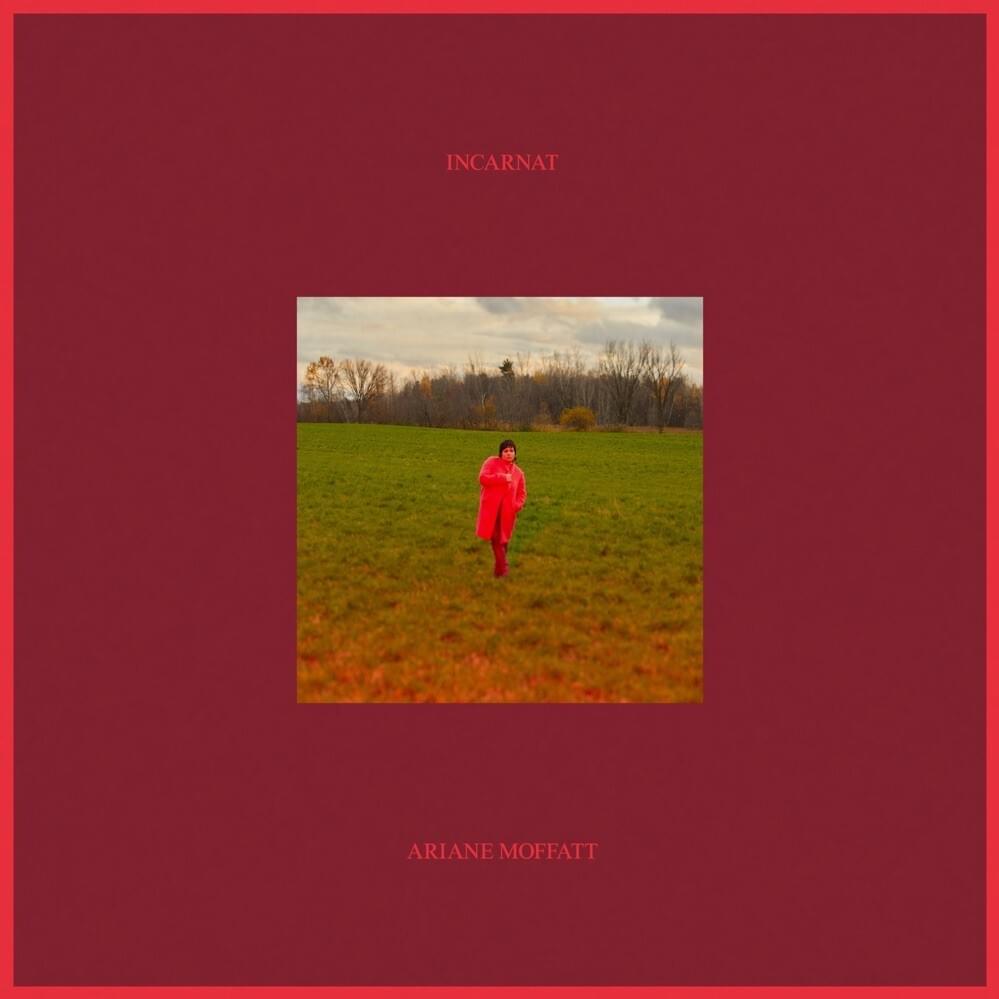
 View Artist