Song Meaning
This track paints a picture of someone trying too hard to control their emotions and desires, leading to a disconnect. The opening lines, "Le cœur dans la tête / Bonheur comme je suis bête," immediately establish a self-aware, almost self-deprecating tone about this internal struggle. The narrator admits to transplanting their heart just to please someone else, highlighting a performative aspect to their affection.
The central tension arises from the narrator's attempt to rationalize and compartmentalize their feelings, which backfires. Phrases like "Je pense avec mes peurs / J'aime selon mon horaire" reveal a rigid, fear-driven approach to love and life, resulting in "erreurs" and a "désert." This intellectualization of emotion creates a barren internal landscape, a stark contrast to the vibrant feelings one might expect in a relationship.
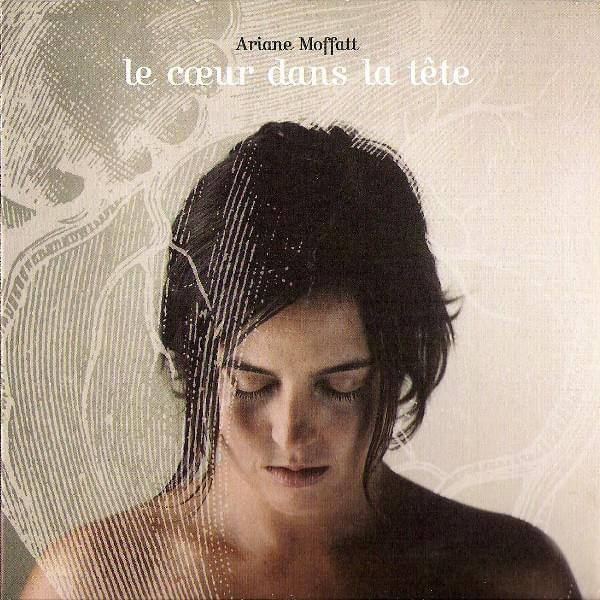
The lyrics employ striking imagery to convey this internal conflict. The idea of "fins de scénario / Coincées dans mes artères" suggests predetermined, perhaps negative, outcomes that are deeply ingrained. The repeated refrain, "J'ai le cœur dans la tête," acts as a constant reminder of this fundamental imbalance, where logic and anxiety override genuine emotional experience. The narrator feels stuck, unable to see "très, très haut" since they started to "se taire."
Ultimately, the effectiveness of these lyrics lies in their raw, unflinching portrayal of self-sabotage. The narrator's struggle isn't about external forces but an internal battle against their own mind. The admission of "vices cachés, et des pièces détachées" further emphasizes a sense of being broken or incomplete, making the desire to please and the resulting emotional desert feel all the more poignant and relatable.
 View Artist