Song Meaning
The lyrics paint a picture of profound, almost desperate, reliance on another person, described as a physical space, "Dans ta chair" (In your flesh). The narrator places their entire trust and future within this person, acknowledging their own "failles" (flaws). This isn't just a casual connection; it's an "allongé mon destin" (extended my destiny) right alongside theirs, suggesting a deep intertwining of lives.
The central tension lies in the contrast between the narrator's vulnerability and the vibrant, almost life-giving presence of the other. The imagery of "pêche et vermeille" (peach and vermilion) and "joues écarlates" (scarlet cheeks) evokes a sense of warmth and vitality. Yet, the narrator experiences their own "printemps en décembre" (spring in December) within this connection, a time of renewal juxtaposed with the coldness of their own existence, implying this person is their sole source of hope and life.
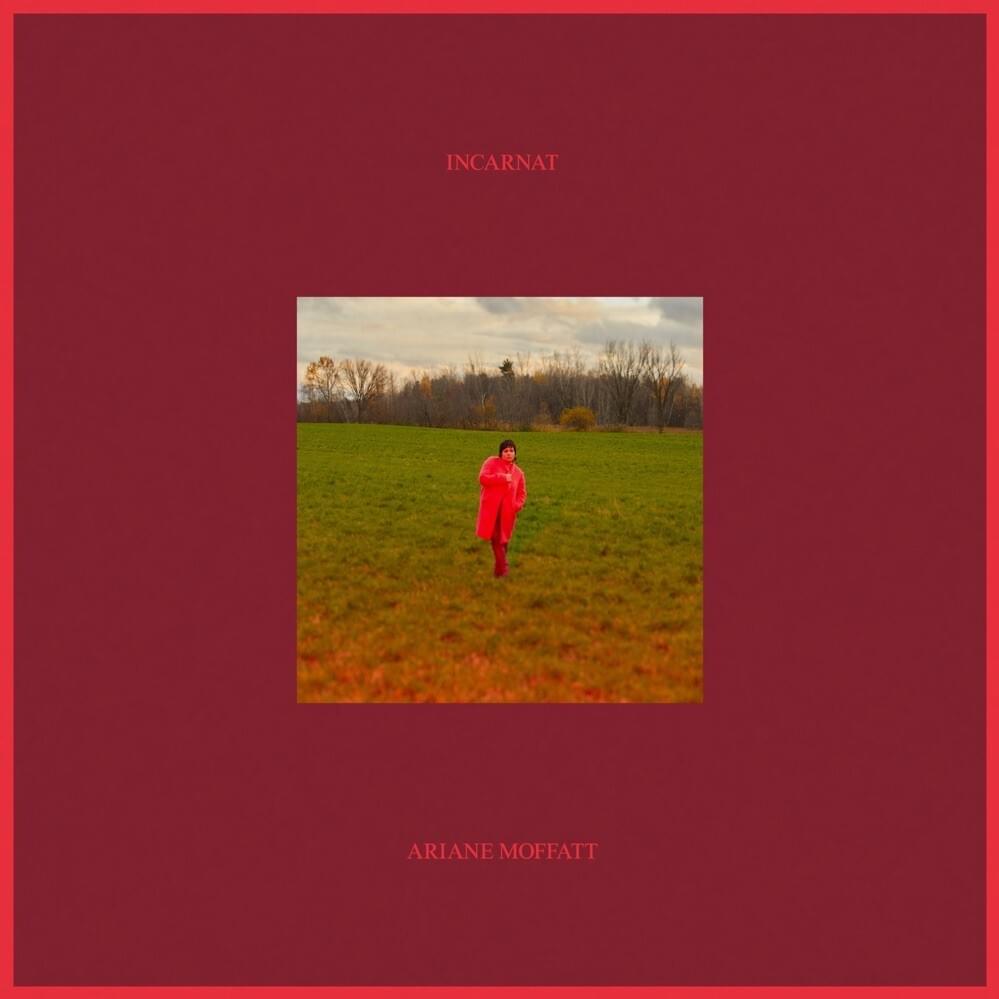
The recurring motif of "trèfle incarnat" (incarnate clover) in the outro is striking. A clover, often associated with luck, is here made tangible and deeply personal, "Ma chance à moi" (My luck, my own). The repetition of "C'était la chose à faire" (It was the thing to do) suggests a past decision that, despite its potential risks or the narrator's own imperfections, ultimately led to this profound sense of finding their essential luck and solace.
This writing is effective because it grounds abstract emotions like trust and destiny in visceral, physical imagery. The "flesh" becomes a landscape for emotional investment, and the "spring in December" captures the feeling of finding life-saving warmth in an unexpected, perhaps even desperate, place. The final declaration of the "incarnate clover" solidifies the idea that this person is not just a source of comfort, but the very embodiment of the narrator's good fortune.
 View Artist